
Business
Electric Cargo Bikes: The Future of Sustainable Transportation


As cities become increasingly congested and polluted, many people are turning to electric cargo bikes as a sustainable and efficient mode of transportation. With the ability to carry large loads and navigate through tight spaces, electric cargo bikes are quickly becoming a popular choice for both individuals and businesses. In this article, we’ll explore the benefits of electric cargo bikes and why they are the future of sustainable transportation.
Introduction
Electric cargo bike have been around for decades, but recent advancements in technology have made them more efficient and practical than ever before. With the rise of e-commerce and delivery services, the demand for electric cargo bikes has skyrocketed. In this section, we’ll provide an overview of electric cargo bikes and their capabilities.
What is an Electric Cargo Bike?
An electric cargo bike is a bicycle that has been designed to carry large loads. They typically have a longer wheelbase, sturdy frame, and a cargo area in the front, back, or both. Electric cargo bikes are equipped with an electric motor and battery, which provides assistance when pedalling.
Introducing to HOVSCO E-Bikes:
HOVSCO is a company that specializes in manufacturing and selling electric bicycles, also known as e-bikes. HOVSCO e-bikes come in a variety of styles and models, including city bikes, mountain bikes, and folding bikes. Each model is equipped with a powerful electric motor that can assist riders in pedaling up to a certain speed, making it easier and more enjoyable to ride.
In addition to their electric motors, HOVSCO e-bikes also come with other features, such as high-quality batteries, comfortable seats, and durable frames. These features ensure that riders can enjoy a smooth and safe ride, whether they’re commuting to work or exploring new trails.
Overall, HOVSCO e-bikes offer a convenient and environmentally friendly alternative to traditional bicycles and other modes of transportation. With their reliable performance, stylish designs, and innovative features, HOVSCO e-bikes are a great choice for anyone who wants to enjoy the benefits of electric transportation.
What Can You Carry on an Electric Cargo Bike?
Electric cargo bikes are capable of carrying a wide range of items, including groceries, packages, furniture, and even passengers. Some models can carry up to 500 pounds, making them a viable alternative to cars or trucks for small businesses.
How Do Electric Cargo Bikes Work?
Electric cargo bikes are powered by an electric motor and battery, which provides assistance when pedaling. The motor can be activated by a throttle or a sensor that detects when the rider is pedaling. The battery can be recharged using a standard electrical outlet.
Benefits of Cargo Bikes
Cargo bikes offer a wide range of benefits over traditional modes of transportation. In this section, we’ll explore some of the key advantages of electric cargo bikes.
· Environmentally Friendly
Cargo bikes are an environmentally friendly mode of transportation, as they produce zero emissions. This makes them an excellent choice for individuals and businesses who are looking to reduce their carbon footprint.
· Cost Effective
Cargo bikes are significantly less expensive than cars or trucks. They require less maintenance and have a longer lifespan than traditional vehicles. This makes them a cost-effective option for small businesses or individuals who need to transport goods.
· Health Benefits
Cargo bike is a great way to stay active and healthy. It provides a low-impact cardiovascular workout and can help improve overall fitness. Additionally, riding an electric cargo bike can reduce stress and improve mental health.
· Efficiency
Cargo bikes are an efficient mode of transportation, particularly in urban areas. They can navigate through tight spaces, bypass traffic congestion, and provide a faster and more direct route to the destination.
· Convenience
Cargo bikes are convenient and easy to use. They can be parked almost anywhere and do not require a special license or training to operate. Additionally, they can be used for both personal and commercial purposes.
Choosing an Cargo Bike
Choosing the right cargo bike can be challenging, as there are many different models and styles available. In this section, we’ll provide some tips for selecting the right electric cargo bike for your needs.
· Consider Your Needs
Before purchasing an cargo bike, consider what you will be using it for. Will you be carrying heavy loads or passengers? Do you need a cargo area in the front, back, or both? Understanding your needs will help you choose the right electric cargo bike for your situation.
· Battery Life
Battery life is an important consideration when choosing an cargo bike. Make sure to select a model with a battery that can provide enough power to meet your needs. Additionally, consider the charging time and whether you will need to purchase additional batteries.
· Price
Electric cargo bikes can vary greatly in price, depending on the brand, model, and features. It’s important to set a budget and look for a model that fits within your price range. Keep in mind that a higher price tag often means better quality and durability.
· Test Ride
Before purchasing an electric cargo bike, take it for a test ride. This will give you a feel for the bike’s handling, balance, and comfort. It’s also a good opportunity to test the electric motor and make sure it provides adequate assistance.
· Research Brands
Do your research and look for reputable brands like HOVSCO that have a history of producing high-quality electric bikes. Read reviews and ask for recommendations from other electric bike owners.
Conclusion
Electric cargo bikes are a sustainable and efficient mode of transportation that offer a wide range of benefits over traditional vehicles. With the rise of e-commerce and delivery services, the demand for electric cargo bikes is only going to increase. By choosing an electric cargo bike, individuals and businesses can reduce their carbon footprint, save money, and improve their overall health and well-being.
Business
Margarita Howard’s Lessons from Industry Disruption: Adapting HX5 to Evolving Government Contracting


Twenty years of government contracting has taught Margarita Howard that success requires preparation for both market changes and competitive challenges that extend beyond traditional business rivalry. Her experience leading HX5 through industry disruptions has shaped the company’s approach to maintaining ethical standards while defending against competitors who operate outside conventional business practices.
Howard’s most significant lesson emerged from encountering competitors willing to employ questionable tactics to gain market advantage. “Our hardest lesson has absolutely been the realization that there are certain competitors who don’t play by the same ethical rules that we do, and accordingly, are not above using underhanded tactics in an attempt to try to take the work away from you, or to take advantage of you, especially as a small business owner,” Howard explains.
This experience forced HX5 to adapt its business practices while maintaining the ethical foundation that has sustained the company’s growth across 34 states and 90 government locations. The challenge required developing protective measures without compromising the integrity that distinguishes HX5 in the federal contracting marketplace.
Building Defensive Strategies Against Unethical Competition
The encounter with unscrupulous competitors prompted Howard to implement more rigorous vetting processes for potential business relationships. “It’s critical that a company does its best to ensure it knows who it’s teaming with, and when possible, to know who you’re competing against, in order that you’re always prepared as best as you can be,” she notes.
This defensive approach extends beyond simple due diligence to encompass comprehensive risk assessment protocols. HX5 now evaluates potential partners and competitors through multiple lenses, examining their track records, business practices, and reputation within the government contracting community. The process protects against partnerships that could compromise HX5’s standing with federal agencies while preparing the company for competitive scenarios that might involve questionable tactics.
Howard’s adaptation strategy also emphasizes documentation and transparency as protective measures. Government contracting already requires extensive record-keeping, but HX5’s experience with unethical competitors reinforced the importance of maintaining impeccable documentation standards. “From working in the industry, we knew the importance of impeccable record keeping. Therefore we’ve always ensured our finances, and all our records of everything we say we do must always be supported with the appropriate documentation and recorded accurately, because as a Government contractor all of our records are open to the government’s inspection and audits at any time.”
Maintaining Competitive Edge Through Ethical Excellence
Rather than lowering standards to match questionable competitors, Margarita Howard chose to strengthen HX5’s commitment to ethical practices as a competitive differentiator. This approach recognizes that government agencies value reliability and integrity over short-term cost advantages, particularly for sensitive projects requiring security clearances and technical expertise.
The strategy proved effective because federal contracting decisions often prioritize risk mitigation over minimal cost savings. Agencies working with contractors who demonstrate consistent ethical behavior reduce their exposure to compliance violations, security breaches, and project failures that could damage their own operations and reputations.
Howard’s response to industry disruption also included investments in employee training and organizational culture that reinforce ethical decision-making. The company’s commitment to maintaining high standards creates a sustainable competitive advantage that becomes more valuable as the industry encounters practitioners willing to compromise professional standards for short-term gains.
Lessons for Navigating Future Industry Changes
Howard’s experience with unethical competitors provided broader insights about adapting to industry disruptions while preserving core values. The government contracting sector continues experiencing changes driven by technological advancement, budget fluctuations, and shifting national priorities. Success requires maintaining flexibility without sacrificing the fundamental principles that build long-term client relationships.
HX5’s approach demonstrates that companies can respond to competitive threats and market changes without compromising their ethical foundation. Howard’s strategy emphasizes preparation, documentation, and partner vetting as essential tools for navigating industry disruptions while maintaining the standards that government agencies expect from trusted contractors.
The lessons learned from encountering unethical competitors have strengthened HX5’s position in the federal marketplace. Government agencies increasingly value contractors who demonstrate consistent ethical behavior and operational excellence. Margarita Howard’s commitment to maintaining high standards while adapting defensive strategies has positioned HX5 to continue serving federal clients across multiple states and technical disciplines.
Her experience illustrates that industry disruptions often create opportunities for companies that maintain ethical standards while developing sophisticated responses to competitive challenges. The government contracting sector rewards contractors who can adapt to changing conditions without compromising the integrity that federal agencies require for their most critical missions.
The Rise of Bespoke Branding in Brisbane
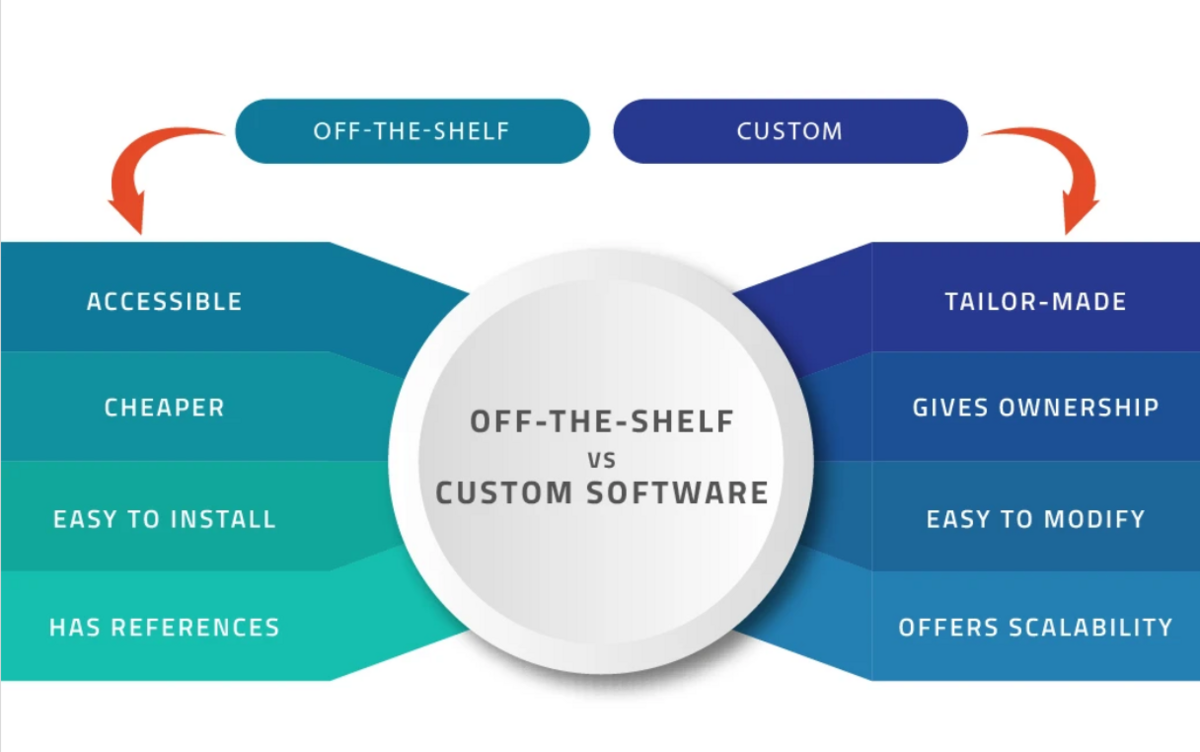
In a city known for its entrepreneurial spirit and creative industries, Brisbane businesses are increasingly turning to custom promotional products from Brisbane suppliers to elevate their brand presence. Gone are the days of one-size-fits-all giveaways. Today’s consumers expect more—more relevance, more quality, and more personality. That’s why off-the-shelf merchandise is losing ground to bespoke solutions that reflect a brand’s identity, values, and audience.
Whether it’s a sleek set of custom BIC pens Queensland, a batch of printed scale rulers for a trade show, or a limited run of BIC promo lighters for a lifestyle campaign, Brisbane brands are discovering that customisation isn’t just a nice-to-have—it’s a competitive advantage. Let’s explore 10 compelling reasons why tailored merchandise is winning hearts, minds, and market share.
Brand Consistency Across Every Touchpoint
Custom products allow you to control every detail—from colour and typography to messaging and packaging—ensuring your branded merchandise near me aligns perfectly with your visual identity.
Why it matters:
- Reinforces brand recognition and professionalism
- Avoids mismatched colours or awkward logo placements
- Creates a seamless experience across digital and physical channels
Whether you’re handing out corporate gifts Brisbane clients will remember or stocking your team with branded apparel, consistency builds trust.
Audience Relevance and Personalisation
Off-the-shelf items are generic by nature. Custom products let you tailor your merchandise to your audience’s lifestyle, preferences, and needs.
Examples:
- Tradies appreciate rugged printed scale rulers or durable drinkware
- Event-goers love stylish BIC promo lighters or festival-ready tote bags
- Executives value premium custom BIC pens and leather-bound notebooks
When your promotional items feel personal, they’re more likely to be used—and remembered.
Elevated Perceived Value
Customisation adds polish and prestige. A bespoke item feels more thoughtful, more premium, and more aligned with the recipient’s expectations.
Consider this:
- A generic pen is forgettable
- A custom BIC pen with smooth ink, your logo, and a personalised message? That’s a keeper
Brisbane businesses investing in corporate gifts Brisbane are seeing better ROI when they prioritise quality and relevance.
Creative Freedom and Functional Innovation
Custom products give you the freedom to innovate—whether that’s through design, materials, or added functionality.
Possibilities include:
- Dual-purpose items like rulers with built-in stencils or conversion charts
- Eco-friendly materials like bamboo, recycled PET, or biodegradable plastics
- Interactive features like QR codes linking to videos, landing pages, or loyalty programs
This flexibility allows you to create branded merchandise near me that’s not just branded—but brilliant.
Emotional Storytelling Through Product Design
People connect with stories, not stock items. Custom products allow you to embed meaning into your merchandise.
How to do it:
- Use packaging to share your brand journey or mission
- Create themed kits that reflect your values (e.g. “Measure Your Success” with printed scale rulers)
- Add personalisation like names, initials, or milestone messages
These emotional cues turn custom promotional products Brisbane businesses use into brand-building moments.
Competitive Differentiation in a Crowded Market
When everyone’s handing out the same stress balls and tote bags, customisation helps you break through the noise.
Standout strategies:
- Launch limited-edition runs of BIC promo lighters or seasonal gift sets
- Pair unexpected items together (e.g. custom BIC pens + branded puzzles)
- Use bold, creative packaging to make your corporate gifts Brisbane unmissable
When your merchandise is unique, your brand becomes unforgettable.
Local Relevance and Cultural Fit
Brisbane’s climate, culture, and community values are unique—and your promotional products should reflect that.
Localised ideas:
- Sun-safe gear like branded caps, sunscreen tubes, or cooling towels
- Outdoor-friendly items like picnic kits, BBQ tools, or BIC promo lighters
- Eco-conscious options that align with Brisbane’s sustainability focus
Working with local suppliers ensures your custom promotional products Brisbane campaigns feel authentic and well-timed.
Faster Turnaround and Better Support
Custom doesn’t have to mean slow. Brisbane-based suppliers offer fast production, responsive service, and hands-on support.
Local advantages:
- Quicker delivery and fewer shipping delays
- Face-to-face consultations for design and strategy
- Support for local businesses—which resonates with Brisbane’s community-minded ethos
Choosing branded merchandise near me means you’re not just buying products—you’re building relationships.
Scalability for Campaigns Big and Small
Whether you’re ordering 50 VIP kits or 5,000 trade show giveaways, custom products scale with your needs.
Flexible formats:
- Bulk orders of custom BIC pens for conferences
- Small-batch runs of printed scale rulers for niche campaigns
- Tiered gifting with different levels of customisation for clients, staff, and partners
This scalability makes corporate gifts Brisbane campaigns more strategic and cost-effective.
Real-World Results That Prove the Power of Custom
Case Study 1: Architecture Firm
A Brisbane firm replaced generic pens with printed scale rulers featuring their logo and project milestones. Clients used them during site visits—boosting brand recall and reinforcing their expertise.
Case Study 2: Hospitality Group
A boutique hotel gifted guests custom BIC pens and BIC promo lighters in branded welcome packs. Guests loved the practicality—and the hotel saw a spike in social media mentions.
Case Study 3: Financial Services
A local bank created a “New Client Kit” with corporate gifts Brisbane recipients actually used: a premium notebook, a stainless-steel drink bottle, and a pen engraved with the client’s name.
These aren’t just giveaways—they’re brand-building tools that deliver measurable impact.
SUMMARY
Custom Is the New Standard
Off-the-shelf might be easy, but it’s rarely memorable. In a city as brand-savvy as Brisbane, businesses are realising that custom promotional products Brisbane suppliers offer are the key to deeper engagement, stronger recall, and better ROI.
From branded merchandise near me that reflects your identity to corporate gifts Brisbane clients actually want to keep, customisation transforms your promotional strategy from passive to powerful. Whether it’s a custom BIC pen, a printed scale ruler, or a BIC promo lighter, bespoke products help your brand speak louder, last longer, and connect more meaningfully.

Introduction
Building dynamic, responsive layouts requires the right tools and techniques. The tlmdgrid framework, combined with its customsource functionality, offers developers a powerful solution for creating flexible grid systems that adapt to various content sources and display requirements.
This comprehensive guide will walk you through everything you need to know about implementing tlmdgrid customsource in your projects. You’ll learn the fundamental concepts, discover advanced customization options, and explore real-world applications that demonstrate the framework’s versatility. Whether you’re new to tlmdgrid or looking to enhance your existing implementations, this tutorial provides practical insights and actionable strategies.
By the end of this post, you’ll have the knowledge and confidence to leverage tlmdgrid customsource effectively, creating responsive layouts that perform well across different devices and use cases.
Understanding the Basics of tlmdgrid
The tlmdgrid framework serves as a foundation for creating responsive grid layouts with minimal setup overhead. Unlike traditional CSS grid systems, tlmdgrid focuses on providing developers with intuitive configuration options and built-in responsiveness features.
At its core, tlmdgrid operates on a modular architecture that separates layout logic from content presentation. This separation allows for greater flexibility when working with dynamic content sources and enables easier maintenance of complex layouts over time.
The framework includes several key components that work together seamlessly. The grid container establishes the overall layout structure, while grid items define individual content areas within that structure. The responsive breakpoint system ensures your layouts adapt smoothly across different screen sizes and device orientations.
Key Features and Benefits
Tlmdgrid offers several advantages over conventional grid systems. The framework includes automatic content fitting, which adjusts grid item sizes based on available space and content requirements. This feature eliminates common layout issues such as overflow and improper spacing.
Performance optimization comes built-in through efficient CSS generation and minimal DOM manipulation. The framework only applies necessary styles and updates, reducing the computational overhead typically associated with dynamic layouts.
Cross-browser compatibility ensures your grids work consistently across modern browsers without requiring additional polyfills or vendor-specific code modifications.
Exploring the Functionality of customsource
The customsource feature extends tlmdgrid’s capabilities by enabling dynamic content integration from various data sources. This functionality bridges the gap between static layouts and dynamic content management systems.
Customsource supports multiple data formats including JSON, XML, and REST API endpoints. The flexible parsing system adapts to different data structures while maintaining consistent output formatting for your grid layouts.
Data Binding and Template Systems
The template engine within customsource allows for sophisticated content rendering without requiring external templating libraries. You can define reusable templates that automatically populate with data from your chosen sources.
Conditional rendering capabilities enable you to show or hide grid items based on data availability or specific criteria. This feature proves particularly useful when working with incomplete datasets or implementing progressive content loading.
Real-time data synchronization keeps your grids updated when source data changes, eliminating the need for manual refresh operations or complex change detection logic.
Step-by-Step Guide to Implementing customsource in tlmdgrid
Getting started with tlmdgrid customsource requires proper project setup and configuration. Begin by including the necessary framework files in your project and establishing the basic grid structure.
Initial Setup and Configuration
First, create your grid container with the appropriate tlmdgrid class attributes. Define the basic grid parameters including column counts, spacing preferences, and responsive breakpoints that match your design requirements.
Next, configure your customsource connection by specifying the data source URL, format type, and update intervals. The framework supports both one-time data loading and continuous synchronization depending on your application needs.
Template Creation and Data Mapping
Design your content templates using the built-in template syntax. These templates define how individual data items will appear within your grid layout. Include placeholders for dynamic content and specify any conditional rendering rules.
Map your data fields to template variables using the customsource configuration object. This mapping ensures that incoming data populates the correct template sections and maintains consistent formatting across all grid items.
Testing and Validation
Validate your implementation by testing with sample data from your target sources. Verify that templates render correctly and that responsive behavior functions as expected across different screen sizes.
Monitor performance metrics during initial testing to identify any optimization opportunities before deploying to production environments.
Advanced Customization Options
Tlmdgrid customsource provides extensive customization capabilities for developers who need specialized functionality. Advanced configuration options allow for fine-tuned control over data processing, rendering behavior, and performance characteristics.
Custom Data Processors
Implement custom data processing functions to handle specialized data formats or perform complex transformations before rendering. These processors integrate seamlessly with the existing customsource pipeline while maintaining framework compatibility.
Data validation and sanitization features help ensure content quality and security when working with external data sources. Configure validation rules that match your content requirements and security policies.
Styling and Theme Integration
The theming system supports custom CSS integration without conflicts with core framework styles. Create custom themes that align with your brand guidelines while preserving responsive functionality.
Animation and transition effects can be applied to grid items during data updates or layout changes. These effects enhance user experience without compromising performance or accessibility.
Best Practices for Optimizing Performance
Efficient implementation of tlmdgrid customsource requires attention to performance considerations throughout the development process. Several optimization strategies can significantly improve loading times and runtime performance.
Data Loading Strategies
Implement lazy loading for large datasets to reduce initial page load times. Configure customsource to load additional content as users scroll or interact with your interface.
Cache frequently accessed data locally to minimize server requests and improve response times. The framework supports various caching strategies including session-based and persistent storage options.
Memory Management
Monitor memory usage when working with large datasets or complex templates. Implement proper cleanup procedures for unused grid items and data objects to prevent memory leaks.
Optimize template complexity by avoiding deeply nested structures and minimizing the number of dynamic elements per grid item.
Troubleshooting Common Issues
Several common issues may arise when implementing tlmdgrid customsource. Understanding these potential problems and their solutions helps ensure smooth development and deployment processes.
Data Loading Problems
Connection timeouts and failed requests can disrupt customsource functionality. Implement proper error handling and retry mechanisms to maintain reliability when working with external data sources.
Data format mismatches between sources and templates often cause rendering failures. Verify data structure compatibility and implement appropriate transformation functions when necessary.
Layout and Responsiveness Issues
Grid items may not render correctly on certain devices or screen sizes. Test your implementations across multiple devices and adjust breakpoint configurations as needed.
Template overflow problems can occur when content exceeds expected dimensions. Implement appropriate text truncation and image scaling strategies to maintain layout integrity.
Real-World Examples and Use Cases
Understanding practical applications of tlmdgrid customsource helps illustrate the framework’s versatility and potential impact on your projects.
E-commerce Product Catalogs
Online retailers can leverage customsource to create dynamic product grids that automatically update with inventory changes and pricing information. The responsive grid system ensures optimal product presentation across desktop and mobile devices.
Integration with inventory management systems enables real-time product availability updates without requiring manual catalog maintenance.
News and Content Aggregation
Media websites benefit from customsource’s ability to pull content from multiple RSS feeds and APIs. The template system ensures consistent presentation while allowing for customized styling based on content source or category.
Automated content refresh keeps news grids current without manual intervention, improving user engagement and content freshness.
Portfolio and Gallery Displays
Creative professionals can showcase their work using customsource to pull images and project information from content management systems or cloud storage services. The responsive grid adapts to different image sizes and aspect ratios automatically.
Filtering and sorting capabilities allow visitors to explore portfolios based on project type, date, or other criteria without requiring separate page loads.
FAQ
How does tlmdgrid customsource compare to other grid frameworks?
Tlmdgrid customsource offers integrated data source connectivity that most other frameworks require through additional plugins or custom development. The built-in template system and responsive features provide a more complete solution for dynamic content layouts.
Can I use multiple data sources with a single grid?
Yes, customsource supports multiple simultaneous data sources. You can configure different sources for different grid sections or merge data from multiple sources into unified templates.
What data formats are supported by customsource?
The framework natively supports JSON, XML, and CSV formats. REST API endpoints are also supported, along with custom data processors for specialized formats.
How do I handle authentication for secure data sources?
Customsource includes authentication options for API keys, OAuth tokens, and basic authentication. Configure these settings in the customsource initialization parameters.
Is server-side rendering supported?
Yes, tlmdgrid customsource can be configured for server-side rendering scenarios. This capability improves initial page load performance and SEO compatibility.
Taking Your Grid Layouts to the Next Level
Tlmdgrid customsource represents a significant advancement in responsive grid technology, combining ease of use with powerful dynamic content capabilities. The framework’s modular architecture and extensive customization options make it suitable for a wide range of applications, from simple product catalogs to complex data visualization dashboards.
Success with tlmdgrid customsource depends on understanding both the technical implementation details and the strategic advantages it provides. Focus on proper planning during the initial setup phase, and don’t hesitate to leverage the advanced features as your requirements become more sophisticated.
The investment in learning tlmdgrid customsource pays dividends through reduced development time, improved maintainability, and enhanced user experiences. Your ability to create responsive, data-driven layouts will significantly improve, positioning your projects for long-term success.
Start implementing tlmdgrid customsource in your next project to experience these benefits firsthand. The comprehensive documentation and active community support ensure you’ll have the resources needed to overcome any challenges and achieve your layout objectives.


Alberta Car Transport Is Now Possible With Interlane
Many customers wonder “What would be the cost of transporting my car in Alberta?” and this is especially costly if...


100 Days Ago From Today: Your Complete Reflection Guide
Introduction Three and a half months. That’s how long 100 days ago from today represents a significant chunk of time...


How to Contact interface-design.net contact details: Complete Guide
Introduction Getting in touch with Interface-Design.net doesn’t have to be complicated. Whether you’re looking to collaborate, share feedback, or ask...


Colu Tex: The Complete Guide to This Emerging Technology
Introduction Have you heard whispers about Colu Tex but aren’t quite sure what it is or how it could benefit...


The Complete Braces Kit Guide: 5 Must-Have Items for Healthy Teeth
Introduction Getting braces marks the beginning of your journey to a straighter, healthier smile. But maintaining excellent oral hygiene during...


Days in the week in arabic: Your Complete Guide
Introduction Learning the days in the week in arabic represents one of the most practical starting points for anyone beginning...


Three Weeks From Today: Your Perfect Planning Sweet Spot
Introduction Three weeks from today might seem like an arbitrary timeframe, but it’s actually one of the most powerful planning...
-
 Travel3 years ago
NEW ZEALAND VISA FOR ISRAELI AND NORWEGIAN CITIZENS
-
 Technology3 years ago
Is Camegle Legit Or A Scam?
-
 Uncategorized3 years ago
AMERICAN VISA FOR NORWEGIAN AND JAPANESE CITIZENS
-
 Health3 years ago
Health Benefits Of Watermelon
-

 Home Improvement5 months ago
Artificial Grass Designs: Perfect Solutions for Urban Backyards
-
 Fashion2 years ago
Best Essentials Hoodies For Cold Weather
-
 Uncategorized3 years ago
How can I write a well-structured blog post?
-
 Technology1 year ago
Imagine a World Transformed by Technology and Innovation of 2023-1954