
Travel
NEW ZEALAND VISA FOR ISRAELI AND NORWEGIAN CITIZENS

New Zealand visa for Israeli and Norwegian citizens offers convenience, as well as the security that comes with a visa. Israeli and Norwegian citizens can now apply for a New Zealand visa after the two countries finalised a visa waiver agreement. The new visa allows visitors to stay in New Zealand for up to six months, with a possible extension of another three months. Israeli and Norwegian citizens will now be able to apply for a visa to visit New Zealand without needing a residence visa. The new arrangement, which went the result of a memorandum of understanding between the two countries.
Visa Types for Israeli Can apply for New Zealand
There are a few types of visas that NEW ZEALAND VISA FOR ISRAELI CITIZENS can apply for when visiting New Zealand. Other types of visas include the business visa, which allows visitors to work in New Zealand, and the student visa, which allows students to study in New Zealand. All Israeli and Norwegian citizens must have valid passports to apply for a visa.
Anyone wishing to visit New Zealand need only hold a valid passport from their home country and a return air ticket. Israelis and Norwegian citizens do not require a visa for tourist or business visits of up to 90 days. However, those wishing to stay longer may need to apply for a New Zealand visa. The process is relatively straightforward but can take some time depending on your nationality and the time of year you wish to travel. To apply, you will need to submit an application form (available from any New Zealand embassy or consulate), along with your passport, airline tickets, and application fee. You may also be required to provide evidence of financial stability in the form of bank statements, letters from employers, or similar documents. Once all required documentation has been submitted, you will be notified of the decision by the embassy or consulate concerned.
New Zealand Is World,s Fifth Largest Economy Country
As the world’s fifth-largest economy, with a population of just over 4.5 million people, New Zealand is an attractive destination for immigrants and tourists from around the globe. As one of the few countries in the world that offers both visa-free access for Israeli citizens and permanent residency rights for Norwegians, it’s no surprise that both Israelis and Norwegians are increasingly choosing to reside in New Zealand.
However, while a living in NEW ZEALAND VISA FOR NORWEGIAN CITIZENS comes with a number of benefits, there are also some potential drawbacks. Firstly, as Israel and Norway are not members of the European Union (EU), it may be difficult to secure work or study visas if you don’t have prior experience in either area.
New Zeland Visa Available for Green Card Holders
There is now a visa available for Green Card holders travelling to New Zealand. The visa offers the same facilities as the New Zealand Visa, which includes a stay of up to three months and the ability to work. As with all visas, there are some restrictions, including that you must have a valid passport and visa stamp in your current country of residence. You may also need to provide proof of health insurance coverage and proof of funds in your current bank account. For more information on applying for this visa, please visit our website or contact our office.
Israel and Norway Visitors do not Require Visa to Visit New Zealand
Visitors from Israel and Norway do not require a visa to travel to New Zealand. However, all visitors must have a valid passport and be in possession of any necessary visas or permits. Visitors travelling on an Australian passport are also exempt from the need to obtain a visa. Passengers travelling on other passports must have a valid visa if they intend to stay for more than 30 days, or if they are travelling to certain restricted areas (including the North Island’s Aoraki/Mount Cook National Park). Please check with the nearest New Zealand embassy or consulate for more information on required visas or permits.
Conclusion
The New Zealand visa for Israeli and Norwegian citizens is a great way to get a visa in a relatively short amount of time and without having to go through the trouble of applying for one from overseas. With this visa, you can visit New Zealand for up to 3 months without any problems and without having to obtain a visitor’s visa first. So if you are looking for an easy and fast way to get a New Zealand visa, this is the perfect option for you!


In the bustling city of Utsunomiya, nestled in Tochigi Prefecture, Japan, a shipping company is revolutionizing the logistics landscape. Known for its delicious gyoza dumplings and vibrant cultural attractions, Utsunomiya is also a strategic hub for global shipping connections. Enter Shipn Utsunomiya, a company offering a suite of shipping-related services tailored to meet the evolving needs of e-commerce businesses, global shippers, and local enterprises.
Why Utsunomiya? The Strategic Advantage
Utsunomiya’s location is not just a geographical advantage but a logistical marvel. Positioned strategically within Japan, this city serves as a critical nexus for domestic and international shipping. The excellent infrastructure, including well-connected highways and proximity to major ports, makes Utsunomiya an ideal location for a shipping company like Shipn Utsunomiya.
Comprehensive Services Offered by Shipn Utsunomiya
1. Freight Forwarding
Freight forwarding is the backbone of global trade, and Shipn Utsunomiya excels in this domain. The company coordinates the shipment of goods from one place to another, ensuring that the cargo reaches its destination efficiently and safely. Whether it’s sea freight or air freight, Shipn Utsunomiya has the expertise to handle it all.
2. Custom Clearance
Navigating the complex world of customs can be daunting. Shipn Utsunomiya offers custom clearance services to ensure that all your shipments comply with the local and international regulations. With a thorough understanding of customs procedures, the company mitigates risks and prevents delays, allowing for a smooth transition of goods across borders.
3. Inventory Management
Effective inventory management is crucial for the success of any business. Shipn Utsunomiya provides state-of-the-art inventory management solutions that help businesses track their products in real-time. This service ensures optimal stock levels, reduces holding costs, and improves overall supply chain efficiency.
4. Expedited Shipping Services
In today’s fast-paced world, time is of the essence. Shipn Utsunomiya’s expedited shipping services are designed for businesses that require swift delivery. By leveraging advanced logistics networks, the company ensures that urgent shipments are delivered on time, every time.
Leveraging SEO for Marketing Opportunities
In addition to its core shipping services, Shipn Utsunomiya is also known for its innovative marketing opportunities. The company has established connections with SEO services, helping businesses increase their online visibility. By optimizing content with relevant keywords such as “shipn utsunomiya,” businesses can improve their search engine rankings and attract more customers.
The Benefits of Partnering with Shipn Utsunomiya
Expertise in Local and Global Markets
Shipn Utsunomiya’s deep understanding of both local and international markets sets it apart. The company’s expertise ensures that businesses can navigate the complexities of global shipping with ease.
Cutting-Edge Technology
Shipn Utsunomiya leverages cutting-edge technology to provide seamless logistics solutions. From real-time tracking to advanced inventory management systems, the company uses the latest innovations to enhance service delivery.
Customer-Centric Approach
At the core of Shipn Utsunomiya’s operations is a customer-centric approach. The company prioritizes the needs of its clients, providing personalized solutions that align with their business goals.
Cost-Effective Solutions
By optimizing shipping routes and leveraging bulk shipping discounts, Shipn Utsunomiya offers cost-effective solutions that help businesses save on logistics costs without compromising on quality.
Case Studies: Success Stories with Shipn Utsunomiya
E-commerce Business Expansion
An e-commerce business looking to expand its market reach partnered with Shipn Utsunomiya. Through streamlined freight forwarding and custom clearance services, the company was able to efficiently ship products to new international markets. The result was a significant increase in sales and customer satisfaction.
Improved Supply Chain Efficiency
A local business struggling with inventory management turned to Shipn Utsunomiya for a solution. By implementing advanced inventory management systems, the business was able to optimize stock levels, reduce waste, and improve order fulfillment times.
Expedited Shipping for Time-Sensitive Goods
A global shipper dealing with perishable goods needed a reliable partner for expedited shipping. Shipn Utsunomiya’s expedited shipping services ensured that the products were delivered fresh and on time, enhancing the shipper’s reputation for reliability.
How to Get Started with Shipn Utsunomiya
Interested in partnering with Shipn Utsunomiya? Here’s how you can get started:
- Contact Us: Reach out to Shipn Utsunomiya through their official website or contact details provided.
- Consultation: Schedule a consultation to discuss your specific shipping needs and business goals.
- Customized Plan: Shipn Utsunomiya will create a customized logistics plan tailored to your requirements.
- Implementation: The company will implement the plan, ensuring a seamless transition and continuous support.
Conclusion
In the dynamic world of global shipping, having a reliable partner can make all the difference. Shipn Utsunomiya, with its comprehensive range of services and strategic location in Utsunomiya, Japan, is the ideal choice for businesses looking to optimize their logistics operations. From freight forwarding to custom clearance, inventory management to expedited shipping, and leveraging marketing opportunities through SEO, Shipn Utsunomiya is your all-in-one solution.
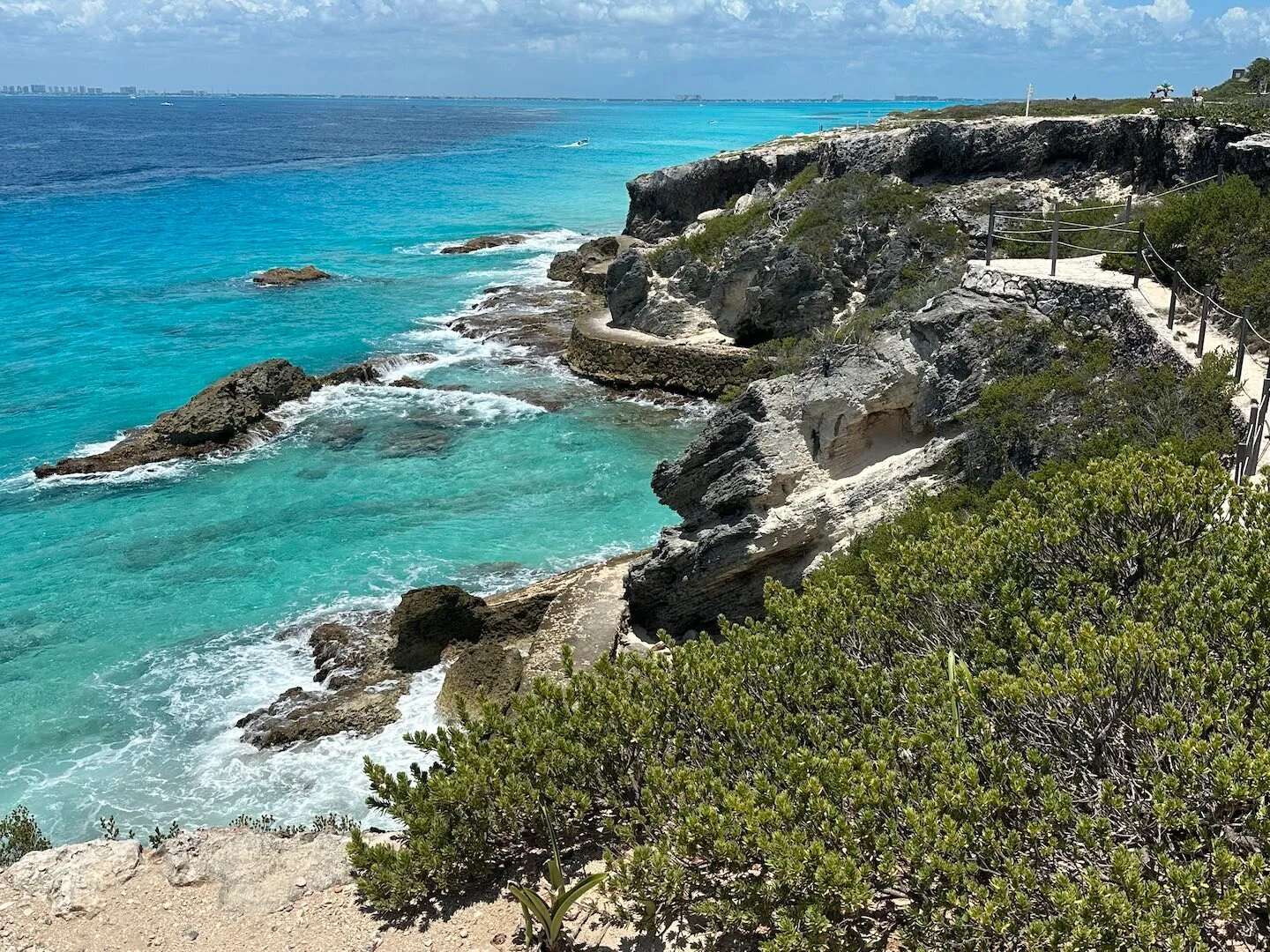
Nestled in the crystal-clear waters of the Caribbean Sea, Isla Mujeres is a charming island just off the coast of Cancun, Mexico. Known for its pristine beaches, vibrant marine life, and rich culture, Isla Mujeres offers a plethora of activities for travelers seeking relaxation, adventure, and exploration. Whether you’re a nature enthusiast, a history buff, or simply looking for a getaway from the hustle and bustle of everyday life, Isla Mujeres has something to offer for everyone. Here are some of the top things to do on this enchanting island:
Marina Aquatours – a marine tourism operator based in Cancún, Mexico.
The content is in English and Spanish, focusing on exciting Caribbean and Nichupte Lagoon water tours like speed boating, catamaran trips, and
Face ID
romantic cruises.
Lounge on the Picture-Perfect Beaches
With powdery white sand and turquoise waters stretching as far as the eye can see, Isla Mujeres boasts some of the most stunning beaches in the Caribbean. Spend your days soaking up the sun, swimming in the warm waters, or simply relaxing with a good book in hand. Playa Norte, consistently ranked as one of the top beaches in the world, is a must-visit destination for its calm, shallow waters and breathtaking sunsets.
Dive into the Underwater World
Explore the vibrant coral reefs and colorful marine life that thrive beneath the surface of the Caribbean Sea. Isla Mujeres is a haven for snorkelers and scuba divers, offering opportunities to swim alongside sea turtles, tropical fish, and even whale sharks during certain times of the year. With numerous dive sites suitable for all skill levels, including the famous MUSA (Museo Subacuático de Arte) underwater museum, diving enthusiasts will be in paradise.
Discover the Island’s History and Culture
Immerse yourself in the rich history and culture of Isla Mujeres by visiting its iconic landmarks and historical sites. Explore the ruins of the ancient Mayan temple at Punta Sur, which offers panoramic views of the Caribbean Sea. Don’t miss a visit to the Isla Mujeres Turtle Farm, where you can learn about conservation efforts to protect endangered sea turtles and even participate in the release of baby turtles into the ocean.
Indulge in Fresh Seafood and Local Cuisine
Savor the flavors of the Caribbean with a taste of Isla Mujeres’ delicious cuisine. From fresh seafood caught daily by local fishermen to traditional Mexican dishes bursting with flavor, the island offers a culinary experience like no other. Be sure to sample local specialties such as ceviche, grilled fish tacos, and refreshing agua frescas made with tropical fruits.
Embark on an Island Adventure
Get your adrenaline pumping with a variety of adventurous activities available on Isla Mujeres. Rent a golf cart and explore the island at your own pace, stopping to admire the breathtaking views and hidden gems along the way. For the more adventurous traveler, consider zip-lining through the jungle canopy, kayaking along the coastline, or embarking on a thrilling deep-sea fishing excursion.
Experience the Island’s Nightlife
As the sun sets over Isla Mujeres, the island comes alive with a vibrant nightlife scene. Head to one of the beachfront bars or restaurants to enjoy live music, cocktails, and stunning ocean views. Whether you’re looking for a laid-back beach party or a lively nightclub atmosphere, Isla Mujeres offers plenty of options to dance the night away under the stars.
Relax and Rejuvenate
After a day of adventure and exploration, treat yourself to some well-deserved relaxation at one of Isla Mujeres’ luxurious spas or wellness retreats. From beachfront massages to holistic healing therapies, there are plenty of ways to unwind and rejuvenate both body and mind in this tropical paradise.
Final words
From pristine beaches and crystal-clear waters to thrilling adventures and cultural experiences, Isla Mujeres offers something for every type of traveler. Whether you’re seeking relaxation, adventure, or a little bit of both, this enchanting island is sure to captivate your heart and leave you longing to return again and again. So pack your bags, escape to paradise, and discover all that Isla Mujeres has to offer.

Introduction
Dubai, renowned for its ambitious urban projects and architectural marvels, has also become a global leader in innovative landscaping techniques that shape its public spaces. From lush parks and vibrant promenades to iconic landmarks and cultural destinations, Dubai’s public spaces are redefining urban living and setting new standards for innovation, sustainability, and community engagement. In this article, we explore the innovative landscaping techniques that are transforming Dubai’s public spaces into vibrant, welcoming environments for residents and visitors alike.
For more information check out landscaping companies in Dubai
- Green Roof Gardens: Green roof gardens have emerged as a prominent feature in Dubai’s public spaces, transforming rooftops into vibrant green spaces that provide numerous environmental and social benefits. From commercial complexes to public buildings, green roofs help reduce heat absorption, improve air quality, and enhance energy efficiency while creating inviting outdoor spaces for recreation and relaxation. Projects such as The Sustainable City and Dubai Design District showcase the potential of green roof gardens to mitigate the urban heat island effect and promote sustainability in dense urban environments.
- Vertical Green Walls: Vertical green walls have become iconic features in Dubai’s public spaces, adding a touch of greenery to the city’s vertical landscape while promoting biodiversity and environmental sustainability. From iconic skyscrapers to pedestrian bridges and underpasses, vertical green walls utilize hydroponic systems and drip irrigation to support a diverse array of plant species, improving air quality, reducing noise pollution, and enhancing visual aesthetics. Landmarks such as The Dubai Mall and City Walk incorporate vertical green walls that serve as living artworks, blurring the boundaries between nature and architecture in the urban environment.
- Smart Irrigation Systems: Smart irrigation systems are revolutionizing the way public spaces are landscaped and maintained in Dubai, optimizing water usage, and minimizing waste while promoting the health and vitality of greenery. These systems utilize sensors, weather data, and real-time monitoring to deliver precise amounts of water to plants based on their specific needs, reducing water consumption and mitigating the risk of overwatering and runoff. Parks such as Al Barsha Pond Park and Safa Park leverage smart irrigation technology to conserve water resources and ensure sustainable management of landscaped areas, contributing to the city’s efforts to promote environmental stewardship and water conservation.
- Interactive Art Installations: Interactive art installations have become integral features in Dubai’s public spaces, engaging residents and visitors in immersive experiences that celebrate creativity, innovation, and cultural diversity. From interactive light displays to kinetic sculptures and digital art projections, these installations transform parks, plazas, and waterfronts into dynamic canvases that inspire imagination and foster social interaction. Landmarks such as Dubai Marina Walk and Al Seef District feature interactive art installations that reflect the city’s vibrant spirit and provide memorable experiences for people of all ages and backgrounds.
- Sustainable Materials and Eco-Friendly Design: Sustainable materials and eco-friendly design principles are central to Dubai’s approach to landscaping public spaces, promoting resource conservation, and environmental responsibility. From recycled paving materials to reclaimed wood and native plantings, public spaces in Dubai prioritize sustainability and resilience, minimizing environmental impact while enhancing the aesthetic and functional qualities of the urban landscape. Projects such as Al Mamzar Beach Park and Dubai Water Canal incorporate sustainable materials and low-impact design features that harmonize with the natural environment and promote a sense of place and identity within the city.
Conclusion
Innovative landscaping techniques are transforming Dubai’s public spaces into dynamic, inclusive, and sustainable environments that enrich the lives of residents and visitors alike. From green roof gardens and vertical green walls to smart irrigation systems, interactive art installations, and sustainable materials, Dubai’s public spaces exemplify the city’s commitment to innovation, creativity, and environmental stewardship. As Dubai continues to evolve and grow, innovative landscaping techniques will remain at the forefront of urban design, shaping the future of the city and creating memorable experiences that inspire, engage, and delight all who encounter them.
How WellHealthOrganic Home Remedies Tag Connect Mind, Body, and Environment
Analyzing the Action: Top Matches and Moments from WWE SmackDown Episode 1491
From Mohali to the UAE: How Ramneek Sidhu Built Digital Kings into a Premier Digital Marketing Agency
How WellHealthOrganic Home Remedies Tag Connect Mind, Body, and Environment
In this blog post, we’ll explore how simple yet profound practices can transform your well-being while fostering a deeper connection...
Analyzing the Action: Top Matches and Moments from WWE SmackDown Episode 1491
If you thought the squared circle was just a stage for scripted drama, think again! Episode 1491 of WWE SmackDown...
From Mohali to the UAE: How Ramneek Sidhu Built Digital Kings into a Premier Digital Marketing Agency
In today’s digital age, where online presence can make or break a brand, one name is making waves across continents:...
A Comparison of Invisalign and Its Leading Competitors
Are you dreaming of a confident smile but hesitant to embrace traditional metal braces? You’re not alone! The quest for...
Invisalign competitors and modern orthodontic treatments
Are you on a quest for the perfect smile but feeling overwhelmed by your options? With so many orthodontic treatments...


Unpacking the Nnevelpappermann Leaks: What You Need to Know About This Explosive Incident
In a world where secrets can shift the balance of power and information is currency, few events have sent shockwaves...


The Emergence of Luther Social Media Maven Keezy.co
Introduction to Luther Social Media Maven Keezy.co Are you ready to revolutionize your social media game? Look no further than...
-
 Uncategorized2 years ago
AMERICAN VISA FOR NORWEGIAN AND JAPANESE CITIZENS
-
 Health2 years ago
Health Benefits Of Watermelon
-
 Lifestyle1 year ago
These Easy, Affordable Improvements Can Completely Transform Your Home
-
 Technology1 month ago
Imagine a World Transformed by Technology and Innovation of 2023-1954
-
 Lifestyle2 months ago
The Role of Door-to-Door Apps in Voter Engagement
-
Home Improvement9 months ago
11 Amazing Insights into Home Decor Gifts – Elevate Your Gifting Game
-
 Business2 months ago
Metaphysical Stores Near Me
-
 Finance8 months ago
What is Chainiste?