
Home Improvement
How Construction Equipment Names And Pictures Pdf

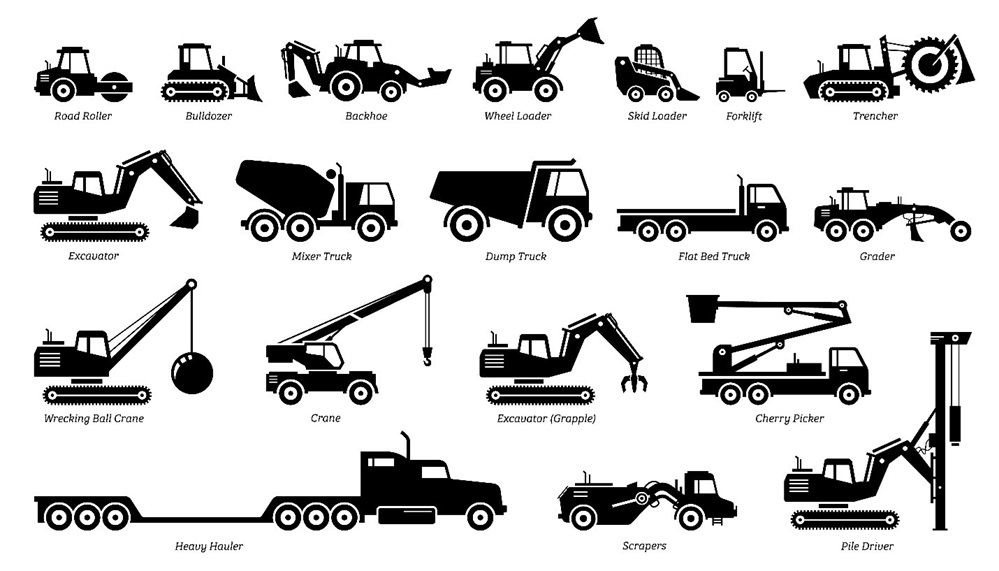
How Construction Equipment Names And Pictures Pdf
In the construction industry, there is a wide range of equipment and tools that are used for different purposes. When you are looking for construction equipment names and pictures pdf, you need to consider the type of work that you will be doing. For example, if you are working on a construction site that involves excavating, then you will need to find construction equipment names and pictures pdf that relate to excavators. If you are working on a construction site that involves lifting heavy objects, then you will need to find construction equipment names and pictures pdf that relate to cranes. In this blog post, we will explore how to find the right construction equipment names and pictures pdf for your needs. We will also provide some tips on how to use these resources effectively.
What is construction equipment?
Construction equipment is a broad category of machines that are used in the construction industry. This includes everything from heavy-duty vehicles like excavators and bulldozers to smaller tools like power drills and hand saws. Construction equipment can be used for a variety of tasks, including digging, grading, and transporting materials.
The different types of construction equipment
There are many different types of construction equipment, each designed for a specific purpose. Here is a list of some of the most common types of construction equipment:
– Excavators: Used to dig holes and trenches, excavators are one of the most versatile pieces of construction equipment. They can be equipped with a variety of attachments depending on the job at hand, such as buckets, grapples, or even hammers.
– Bulldozers: A staple of any construction site, bulldozers are used to clear land and level terrain. They can also be used to move large amounts of dirt and debris.
– Backhoes: Similar to excavators, backhoes are used for digging holes and trenches. However, they typically have smaller buckets and are not as versatile as excavators.
– Skid Steer Loaders: These compact machines are perfect for tight spaces and can be equipped with a variety of attachments, such as buckets, forks, or even brush cutters.
– Dump Trucks: Dump trucks are used to transport large amounts of material from one location to another. They come in a variety of sizes depending on the amount of material they need to haul.
How construction equipment is used
Construction equipment is used in many different ways, depending on the type of project. For example, construction equipment may be used to excavate a site, grade a roadbed or foundation, remove debris, or lift and place heavy materials.
The benefits of construction equipment
Construction equipment is an important part of any construction project. It can help you save time and money, and it can make your construction project easier to manage. Here are some of the benefits of construction equipment:
1. Construction equipment can help you save time.
2. Construction equipment can help you save money.
3. Construction equipment can make your construction project easier to manage.
How to choose the right construction equipment
There is a lot of construction equipment out there and it can be tough to know which one is right for your project. Here are a few tips to help you choose the right construction equipment:
1. Know what you need: Before you start shopping for construction equipment, it’s important to know exactly what you need. Make a list of the tasks you’ll be using the equipment for and research what kind of equipment is best suited for each task.
2. Get advice from experts: If you’re not sure what kind of construction equipment you need, seek out advice from experts. Talk to your contractor or someone who works in the construction industry and gets their opinion on what would work best for your project.
3. Consider your budget: Construction equipment can be expensive, so it’s important to consider your budget when making your purchase. If you only have a limited budget, you may have to compromise on features or quality in order to stay within your price range.
4. Compare brands and models: Once you’ve decided on the type of construction equipment you need, it’s time to start comparing brands and models. Look at reviews online and compare prices to find the best deal on the perfect piece of equipment for your project.
Construction equipment names and pictures
If you are working in the construction field, then it is essential to know the names and pictures of construction equipment. With the help of this guide, you will be able to identify different types of equipment easily.
There are many types of construction equipment available in the market. Each type of equipment has its own specific purpose. Here is a list of some common construction equipment along with their pictures:
– Excavators: Excavators are used for digging and moving large pieces of earth. They usually have a bucket attached to the front end for scooping up the soil.
– Bulldozers: Bulldozers are used for clearing large areas of land. They have a blade attached to the front end which helps in pushing aside debris.
– Backhoes: Backhoes are similar to excavators but they have a bucket attached to the back end instead of the front end. They are mainly used for digging trenches and holes.
– Cranes: Cranes are used for lifting heavy objects and materials. They have a long arm with a pulley system that helps in lifting objects vertically.
Conclusion
We hope you enjoyed learning about the different types of construction equipment and their names. This information can be useful when you are looking for new equipment for your construction business or when you are trying to identify a piece of equipment you see on a job site. Having this knowledge can also help you learn more about the construction industry as a whole. Do you have any favorite construction equipment? Let us know in the comments below.

The contemporary homeowner is gradually resorting to technology to ease the maintenance of the gardens. Aiper Store Australia has an irrigation controller that can provide a smart way of making sure that the lawns, gardens, and outdoor plants are watered without the presence of constant supervision.
The operation of Irrigation Controllers.
An irrigation controller is a device that is used to automate the process of watering the garden on the basis of timers, sensors, and, in some cases, in connection with weather data. These systems contrast with the manual sprinklers, which are unable to analyze the conditions of the soil, temperature, and rainfall to identify the best watering times.
Even other models give the homeowner the option of having a tailored watering schedule for every zone of the garden so that the delicate flowers, vegetable beds, and lawns get the correct amount of water.
Intelligent and Pragmatic Features.
The current irrigation controllers have functions that put management of gardens beyond the automation level. These include:
- Weather-Adaptive Watering: The controller is able to postpone or adjust watering according to rain or alterations in temperature.
- Mobile App Integration: Homeowners will be able to use smartphones or tablets and monitor and control the system remotely.
- Zone-Based Management: There are various gardens that can be programmed to deliver water in a personalized manner.
- Usage Tracking: Some systems monitor water use, which allows the user to know how to conserve resources.
A smart irrigation controller with these features will minimize waste, conserve time, and provide plants with year-round growth.
Installation and Setup
The installation of an irrigation controller from Aiper Store Australia is supposed to be easy. The majority of the systems can be integrated with the existing garden sprinkler systems, which will require some slight adjustments.
Homeowners can determine zones, schedules, and calibrate sensors during installation, depending on the type of plant and soil properties. Numerous models come with guides and app tutorials to ensure that the setup process is as smooth as possible, eveforto those unexposed to the smart gardening technology.
Utilized Advantages to Homeowners.
The benefits of an irrigation controller are not limited to convenience. With automated watering, the soil can be kept in the right proportions, hence the plants are also healthy. Excessive or insufficient water is also minimized, and this minimizes the stress that plants are under, as well as the disease risk that may arise.
These devices are time-saving as busy homeowners will not have to spend hours each week watering their lawns. Gardens are given meticulous care even when they are on vacation or when they are away on long leaves, and they still grow healthy without any form of interference.
Environmental Impact
Conservation of water is a significant issue in Australia. The Violet Smart irrigation controllers by Aiper Store Australia will enable homestead owners to save on water by administering it only where and when necessary.
This accuracy lowers runoff and evaporation in addition to promoting sustainable gardening. Besides that, reduced consumption of water usually comes at a lower cost saving, making such systems a friendly and cost-effective solution for the environment.
Enhancing Home Value
A smart irrigation system can also increase property value. Maintained gardens demonstrate attractiveness and are a good indicator that the house has modern, energy- and resource-saving technology.
Landscaping is made to stay green and healthy with an irrigation controller that makes it easier to keep the curb appeal all year round. This technology is the best solution for homeowners who may want to have convenience coupled with the improvement of their properties.
Conclusion
Aiper Store Australia is an irrigation controller that is a contemporary solution to smart gardening. These gadgets make it simple to control the maintenance of gardens without physical interference by automating the watering schedules, adjusting them to the weather conditions, and providing remote control, which, in turn, enhances sustainability.
A smart irrigation controller offers a beneficial and efficient solution to the homeowner who also wants efficiency, convenience, and a healthier outdoor environment without spending a lot of energy maintaining his or her lawns and gardens.


In Malaysia’s vibrant event scene, finding a venue that seamlessly combines historical charm with modern amenities can be a challenge. Whether you are planning a corporate gathering, a wedding, or a private celebration, the right venue can make all the difference in creating a memorable and successful event. Whitehouse @ The Estate on Federal Hill stands out as one of Malaysia’s premier heritage event venues, offering a perfect blend of classic architecture, contemporary facilities, and unique spaces such as The Great Hall and a scenic Sky Balcony. Its distinctive character, versatility, and professional support make it an ideal choice for both corporate and personal events, from corporate event venue KL to wedding venues in Kuala Lumpur.
The Appeal of a Heritage Venue
Heritage venues offer a distinct ambiance that modern spaces often cannot replicate. Whitehouse @ The Estate is located in the historic Federal Hill area, boasting beautifully restored architecture, high ceilings, intricate woodwork, and elegant colonial detailing. This heritage charm provides a sophisticated backdrop that elevates any occasion, whether it is a professional conference or a social celebration.
Guests immediately notice the unique atmosphere, which combines history with elegance. The warm and inviting environment, complemented by features such as the garden view terrace, fosters meaningful interactions, enhances the aesthetic of events, and creates a lasting impression—key factors for any successful gathering.
Perfect for Corporate Events
For companies seeking a prestigious corporate event venue in KL, Whitehouse @ The Estate offers a combination of charm, practicality, and professional support. Its versatile spaces are suitable for a wide range of corporate functions, including meetings, seminars, workshops, product launches, and conferences.
Why Corporate Clients Choose Whitehouse @ The Estate:
- Flexible Spaces: Multiple halls and private rooms, including The Great Hall, can be adapted to the size and format of the event.
- Modern Technology: High-speed internet, audiovisual equipment, and climate-controlled rooms ensure smooth presentations and communication.
- Professional Staff: A dedicated team assists with planning, logistics, and on-site coordination, providing peace of mind for organizers.
The combination of heritage architecture and modern facilities ensures that corporate events at Whitehouse @ The Estate are both impressive and functional. Clients benefit from a setting that encourages creativity, engagement, and professional interaction while leaving a lasting impression on attendees.
Ideal for Weddings
In addition to corporate events, Whitehouse @ The Estate is a sought-after wedding venue Kuala Lumpur. Couples seeking a venue with character and elegance find it to be the perfect canvas for their dream wedding. Its timeless architecture, versatile halls, and charming outdoor areas like the Sky Balcony allow for both intimate ceremonies and grand celebrations.
Highlights for Wedding Hosts:
- Historic Ambiance: The heritage charm provides a romantic and elegant backdrop for photos and ceremonies.
- Customizable Layouts: Spaces can be adapted to accommodate guest lists of all sizes and seating arrangements.
- Full-Service Support: The venue’s team assists with décor, catering, and logistics, ensuring a stress-free planning process.
Couples appreciate how Whitehouse @ The Estate combines classic elegance with practical modern amenities, making it a reliable and stylish choice for hosting a truly unforgettable wedding.
Versatility for Every Occasion
One of the defining features of Whitehouse @ The Estate is its versatility. It is equally suitable for corporate gatherings, weddings, private parties, and social events. Its multiple halls, private rooms, and outdoor terraces can be configured for different themes, group sizes, and event formats, offering unparalleled flexibility.
- Corporate Functions: Board meetings, seminars, workshops, and networking events.
- Private Celebrations: Birthdays, anniversaries, and milestone parties.
- Weddings: Intimate ceremonies or lavish receptions.
This adaptability, combined with the venue’s heritage charm, makes Whitehouse @ The Estate one of the most sought-after heritage event venues in Malaysia, capable of hosting a wide range of events with elegance and sophistication.
Modern Facilities for a Seamless Experience
While celebrated for its heritage appeal, Whitehouse @ The Estate also provides all the modern amenities required for smooth event execution. Climate-controlled rooms, advanced audiovisual systems, high-speed internet, and catering facilities ensure every event runs seamlessly.
Whether it is a corporate presentation requiring professional technology or a wedding needing precise coordination of dining and entertainment, the venue’s modern facilities complement its classic charm perfectly. Guests experience both comfort and sophistication, enhancing the overall quality of the event.
Creating Lasting Memories
Whitehouse @ The Estate is not just a venue—it is a place where memories are created. Its historic architecture offers stunning backdrops for photography and video, while the thoughtfully designed spaces ensure that every guest feels comfortable and engaged.
For corporate events, this creates a professional yet inspiring atmosphere that strengthens connections and fosters collaboration. For weddings, it provides a romantic and elegant setting that couples and their guests will remember for years to come.
Why Whitehouse @ The Estate Stands Out
Several factors make Whitehouse @ The Estate a leading choice among heritage event venues in Malaysia:
- Heritage Architecture: Timeless design elements create an elegant and memorable ambiance.
- Versatile Spaces: Multiple halls, private rooms, and outdoor terraces accommodate a wide range of event types and sizes.
- Modern Amenities: Advanced technology, catering options, and climate-controlled spaces ensure smooth operations.
- Professional Team: Dedicated staff assist with planning, logistics, and execution, guaranteeing a seamless experience.
- Central Location: Conveniently located in Federal Hill, Kuala Lumpur, making it accessible for guests from across the city.
These features combine to provide a venue that delivers both prestige and practicality, appealing to businesses and couples alike.
Conclusion
Whether you are planning a corporate meeting, wedding, or private celebration, Whitehouse @ The Estate on Federal Hill exemplifies the perfect blend of heritage charm and modern functionality. As a premier corporate event venue in KL and wedding venue in Kuala Lumpur, it offers versatile spaces, professional support, and a unique atmosphere that elevates every event.
By choosing Whitehouse @ The Estate, organizers and couples alike can ensure that their gatherings are not only successful but also memorable, leaving a lasting impression on guests. Its combination of classic elegance, modern amenities, and exceptional service makes it one of Malaysia’s most distinguished heritage event venues, ideal for every occasion.

Introduction
Understanding strange codes can feel hard. Some look like model numbers. Some act like error codes. Others are batch labels or part IDs. The code “4013hwbc” is one of those codes. It looks technical, but it does not have to be scary. This guide breaks it down in clear steps. You will learn how to identify it. You will learn where to look for trusted information. You will learn how to install, use, maintain, or troubleshoot it. The goal is simple. Keep you safe. Save your time. Help you make smart choices with less stress and more confidence.
What Is 4013hwbc?
A code like this can mean many things. It might be a product model. It could be a part number. It may show on a label, a sticker, or a screen. Some brands use letters for series. They use numbers for version or size. You can treat 4013hwbc as a pointer. It points to something real. That “something” could be a device, a component, or a specific build. Your job is to match the code to its context. The context tells you the meaning.
How to Identify the Context Fast
Start with where you saw the code. Was it on a box, a device, or an app? Was it printed near a barcode or QR code? Was it in a manual or a receipt? Write this down. Take a clear photo if you can. Note the brand name near the code. Note any nearby words like “model,” “SKU,” or “serial.” Context clues make things clear. If the code appears on a screen, record the steps that showed it. Context plus steps help support teams confirm the purpose.
Where to Find Trustworthy Information
Always start with the brand’s official sources. Check the user manual or quick start guide. Look for the support page on the brand’s website. Search the product catalog or parts catalog. Scan any QR codes on labels. Check invoices or warranty cards. If you cannot find official details, ask the seller. Ask for a data sheet, a spec sheet, or a compatibility chart. Use forums with care. Look for answers from verified staff or trained technicians. Keep a record of every source you used.
Reading Labels, SKUs, and Barcodes the Right Way
Many labels include more than one code. A SKU tracks stock. A serial number is unique to one unit. A model number identifies a type. A batch or lot number marks production. Barcodes and QR codes store this data. If 4013hwbc sits near a barcode, scan it. Many phones can scan natively. Some labels include safety marks and compliance icons. Common marks include CE, UL, FCC, and RoHS. These symbols show testing and safety standards. They protect you and your home.
If 4013hwbc Is a Product Model: What to Check
Treat it like a model number first. List key specs that matter to you. Check size, weight, power, and voltage. Check materials and finishes. Check warranty and service options. Review compatibility with your system or space. Confirm accessories, cables, and mounting options. Compare the model to the next version up and down. This shows tradeoffs. Look at total cost of ownership. That includes parts, energy use, and maintenance. If something feels unclear, ask for a spec sheet in writing.
If 4013hwbc Shows as an Error Code
Start simple. Power cycle the device. Let it rest for one full minute. Check cables and connectors. Reseat them firmly. Look for dust, moisture, or damage. Update firmware if it is safe to do so. Restore default settings only if you have backups. Note the exact time the error appears. Note tasks running at that time. If the error repeats, log every step you take. Share the log with support. Clear logs help teams spot patterns fast and fix them safely.
Safety, Warranty, and Compliance Essentials
Safety comes first. Read the safety section of the manual before use. Confirm voltage and current ratings match your outlet. Use surge protection where needed. Keep devices dry and well ventilated. Do not open sealed parts during the warranty period. That can void coverage. Check compliance marks for your region. Make sure accessories meet the same standards. Keep proofs of purchase. Keep serials and model numbers handy. Good records make warranty claims faster and easier.
Buying or Replacing Parts Labeled 4013hwbc
When buying, match the code exactly. Small changes can cause big issues. Confirm dimensions, connectors, and firmware. Ask sellers about returns and restocking fees. Use payment methods with buyer protection. If replacing a part, compare old and new units side by side. Confirm label details line by line. Test in a safe, low-risk setup first. Never force a fit. Do not bypass safety locks or fuses. If something feels off, stop and contact support before continuing.
Installation and Setup Best Practices
Plan your setup before you start. Clear the workspace. Gather tools, fasteners, and manuals. Use a checklist you can follow step by step. Mount devices on solid surfaces. Route cables cleanly with no sharp bends. Label each cable at both ends. Power up only when all connections are secure. Perform a basic function test. Update firmware if the guide says so. Document everything with photos. Good documentation saves time during future upgrades or repairs.
Maintenance That Extends Lifespan
Simple care can add years of use. Keep vents clear. Wipe dust with a dry cloth. Avoid harsh cleaners. Check connectors twice a year. Look for loosened screws. Listen for odd noises. Watch for smells or heat spikes. Keep firmware current when safe. Schedule reminders for filter changes or battery checks. Store spares in a dry, cool place. Track service dates in a simple log. Small, regular checks prevent big failures and surprise costs.
Documentation Templates You Can Use Today
Create a one-page record for each device. Include model, serial, and purchase date. Add seller, price, and warranty length. Keep a photo of the label. List all accessories. Note firmware versions and change history. Keep installation photos and wiring diagrams. Track issues and fixes. Store receipts and support emails. Back up this record in the cloud and locally. Use the same template every time. Consistent records make teams faster and reduce mistakes.
Talking to Support: Scripts and Smart Questions
Be clear and kind. Share the exact code you see. Say when it appears and what you tried. Ask for the safest next step. Ask about risks and warranty impact. Request a case number. Confirm promised timelines. If you get new steps, repeat them back. This avoids confusion. Ask for a summary email. Keep that email with your records. If the fix fails, reply on the same thread. This keeps the history together and speeds resolution.
Common Pitfalls and Myths to Avoid
Do not guess at a code’s meaning. Guessing can damage parts or void warranties. Do not mix random parts because they “almost fit.” Tolerance differences matter. Do not ignore safety labels. They exist for a reason. Do not skip firmware notes. Some updates are critical or mandatory. Do not assume a forum post applies to you. Your model or region may differ. Always match your exact code, like 4013hwbc, before you act. Precision prevents risk and waste.
Real-World Scenarios That Mirror Your Situation
Imagine you find a code on a small board. It sits near a connector. You see a QR code beside it. You scan the code and learn it is a sub-assembly. The code helps you order the right replacement. Or picture a blinking screen that shows a code after updates. You follow a safe reset plan. You reseat cables. You document each step. Support sees your log and spots a pattern fast. Clear steps turn stress into control and real progress.
Search Smarter and Filter the Noise
Search engines can drown you with results. Start with the brand and the exact code. Put quotes around the code. Add words like “manual,” “datasheet,” “wiring,” or “firmware.” Try “compatibility,” “dimensions,” or “installation guide.” Look for PDFs or pages on the official site. Check dates on posts. Recent info is best for software and firmware. Save good links in a notes app. Keep a short list of trusted sources you can reuse.
A Simple Checklist for 4013hwbc
Identify where you saw the code. Capture photos of labels. Record nearby brand names. Match the code to model, SKU, or batch. Search the official site first. Confirm specs, safety marks, and warranty notes. Plan your installation. Label cables. Test in a safe state. Keep a one-page device record. Schedule maintenance. Contact support with clear logs if needed. This checklist reduces risks. It makes your process calm, steady, and repeatable.
Quick Glossary of Helpful Terms
Model number identifies a product type. Serial number is unique to a unit. SKU tracks inventory for sellers. Batch or lot points to production runs. Firmware is device software stored inside hardware. Datasheet explains key specs for parts. Compliance marks show safety testing and legal status. RMA means return merchandise authorization. Compatibility means parts work together safely. Lifecycle means the time from install to retirement. Knowing these terms speeds every task.
Accessibility and Ease-of-Use Tips
Keep text large and high contrast in your notes. Use plain language in labels. Color-code cables and storage bins. Use icons for quick scanning. Combine photos and short captions. Record voice notes if typing is hard. Store templates in shared folders for teams. Add alt text to images. Keep critical steps at the top of your checklists. Simple design helps everyone. It also reduces errors during stressful moments or handoffs.
Sustainability and Responsible Disposal
Think about the full life of your device. Choose parts that last and can be serviced. Keep packaging for returns. Reuse it when shipping RMAs. Recycle e-waste at certified centers. Wipe or destroy data on smart parts before disposal. Donate working gear to schools or labs. Buy from vendors with repair guides and parts access. Responsible choices protect your budget and the planet. Plan for end-of-life the day you install.
Security Basics You Should Not Skip
If your device connects to a network, change default passwords. Use strong passphrases. Update firmware on a planned schedule. Disable services you do not need. Segment devices on your router if possible. Back up configurations. Log admin actions. If you see odd behavior, disconnect from the network first. Then investigate in a safe state. Security is not extra. It is a key part of reliability and trust.
FAQ 1: What does 4013hwbc usually stand for?
It is a compact code. It often marks a model, part, batch, or error. The exact meaning depends on where you found it. If it sits on a device label, treat it as a model number. If it appears on a screen, it might be an error status. If it sits beside a barcode, it could be a SKU or lot code. Match the code to the context before you act. That simple step prevents wrong orders and risky fixes.
FAQ 2: How do I confirm the exact specifications?
Start with official sources. Use the manual, the product page, and the data sheet. Look for dimensions, power, connectors, and firmware notes. Check compatibility lists. Ask the seller for written confirmation if unsure. Save the document. Compare specs with any older unit you own. Match labels line by line. If anything conflicts, stop and ask support to clarify. Written proof protects your warranty and your safety.
FAQ 3: What if I cannot find a manual or datasheet?
Do not give up. Contact the brand’s support team. Share photos of the label and your notes. Ask for a PDF manual and a spec sheet. If you bought from a dealer, ask them too. Provide your order number and date. Check for region differences. Some models vary by market. Keep the reply email in your records. You will need it for future service or returns. Good paperwork saves stress later.
FAQ 4: How can I troubleshoot safely at home?
Start with power off. Unplug before touching connectors. Ground yourself to avoid static damage. Inspect for dust, heat, or corrosion. Reseat cables firmly. Power on and test one change at a time. Document each step. If the device gets hot or smells odd, stop. Seek help. Never bypass a fuse or safety switch. If you feel unsure, wait for a trained technician. Your safety matters more than speed.
FAQ 5: Is it okay to use alternatives or “close” parts?
Use caution. Similar is not the same. Connectors may match, but tolerances can differ. That can cause overheating or failure. Always match the exact model or a listed compatible part. Ask the brand for an approved replacement list. Keep that list in your records. If a seller pushes a “close” part, request written compatibility. If they refuse, find another source. Protect your device and your warranty.
FAQ 6: How should I store spares and documents?
Use clear, labeled bins with dividers. Keep parts in anti-static bags if needed. Add a small card with model, date, and source. Store manuals and receipts in a shared folder. Keep photos of labels and wiring. Add version history for firmware. Review the kit twice a year. Discard damaged items. Update labels. A tidy kit reduces downtime and panic. You will thank yourself later when time is tight.
Conclusion: Your Next Step Starts Now
You now have a clear path. You know how to read labels. You know how to search, verify, and act. You can install, maintain, and troubleshoot with confidence. Keep your one-page record close. Share it with your team or family. If you still feel stuck, return to the checklist. Or reach out to the brand with your notes and photos. If your journey centers on 4013hwbc, you can move forward today with calm, safe steps. Your careful approach will pay off in time, money, and peace of mind.


Lighting and AV: Elevating Your Trade-Show Booth Experience
In the competitive environment of trade shows, grabbing attention and keeping it is essential. With dozens or even hundreds of...


Ride in Style: Why Every Couple Deserves a Wedding Limo Toronto
Your wedding day is one of the most memorable days of your life and every moment deserves a touch of...


Revolutionize Garden Care with Aiper Store Australia Irrigation Controllers
The contemporary homeowner is gradually resorting to technology to ease the maintenance of the gardens. Aiper Store Australia has an...


Sales Reps No Longer Required: Outscaled’s Framework Closes Clients Without the Close
Outscaled is challenging the very foundation of traditional sales teams with a framework that eliminates the need for discovery calls,...


Mastering Mindfulness: Techniques for Inner Peace
Mindfulness is a mental practice that emphasizes being present in the moment, fully engaging with one’s thoughts, feelings, and surroundings...


The True Cost of Lawn Care: Budgeting for a Beautiful Yard
When embarking on a lawn care project, the initial costs can often be a significant factor in determining the overall...


Starting Strong: Choosing the Right Pickleball Paddle for New Players
Pickleball has become one of the fastest-growing sports in the country, attracting people of all ages with its mix of...
-
 Technology3 years ago
Is Camegle Legit Or A Scam?
-
 Travel3 years ago
NEW ZEALAND VISA FOR ISRAELI AND NORWEGIAN CITIZENS
-
 Technology3 years ago
RNDcoin: Korea’s first blockchain project and a world-class cryptocurrency
-
 Uncategorized3 years ago
AMERICAN VISA FOR NORWEGIAN AND JAPANESE CITIZENS
-
Lifestyle1 year ago
A Guide to Silverdaddies: What You Need to Know
-

 Fashion1 year ago
Goda Perfume Reviews: Is It Worth Your Investment?
-
 Health3 years ago
Health Benefits Of Watermelon
-

 Home Improvement9 months ago
Artificial Grass Designs: Perfect Solutions for Urban Backyards