
Lifestyle
How to Pink Eye Black


When you think of pink eye, you likely think of a cold or runny nose. But did you know that it can also lead to a serious eye infection? And if left untreated, it can even result in blindness. This is why it’s so important to know how to treat pink eye quickly and effectively. In this blog post, we will outline the steps you need to take if you experience pink eye Black.
What is pink eye black?
Pink eye black is a condition that results from an infection of the conjunctiva, the thin membrane that covers the white part of your eye. The infection can be caused by a number of different things, including viruses, bacteria, and fungi.
The most common cause of pink eye black is a virus called adenovirus. Adenovirus is a type of virus that commonly causes colds in children and adults. When you get infected with adenovirus, the virus can spread to your eyes.
The virus causes inflammation and swelling in the conjunctiva. This combination makes it very difficult for you to see out of your eyes. In extreme cases, pink eye black can result in permanent damage to your eyesight.
There are several ways to prevent pink eye black: avoid getting sick; use caution when close contact with people who are sick; keep your face clean; and treat any symptoms as soon as they appear. If you do get pink eye black, seek medical attention as soon as possible.
How to get pink eye black?
If you get pink eye, the best way to treat it is to go see a doctor. However, there are some home remedies that can help as well.
The first step is to wash your face with soap and warm water. Make sure you remove all of the makeup, since that will make the infection worse.
Next, put some hydrocortisone cream on your eyes. This cream will help to soothe the skin and reduce the inflammation caused by pink eye.
Last, drink plenty of fluids and avoid getting exposure to sunlight or other bright lights.
Symptoms and Treatment of Pink Eye Black
Symptoms of Pink Eye Black
Pink eye black is a condition that results in an appearance of black spots on the whites of the eyes. It is caused by irritation or infection of the lacrimal sac, which is a small bag situated at the front of the orbit (an opening in the skull). The cause can be various, including contact lenses, allergies, and viral infections.
Treatment for pink eye black typically involves antibiotics and/or corticosteroids to reduce inflammation. If left untreated, it can lead to permanent damage to the eyes.
What is Pink Eye?
Pink Eye is an infection of the eye caused by a virus. Symptoms may start with red eyes, followed by discharge, itching, and often sensitivity to light. The affected eye may feel swollen and painful. Treatment usually includes antibiotics and pain relief.
Causes of Pink Eye
There are many possible causes of pink eye, but the most common ones are viral infections, such as colds and the flu, and allergic reactions. Other causes include contact lens use, exposure to chlorine or other chemicals, and irritation from cosmetics or environmental pollutants.
The most effective way to prevent pink eye is to get a cold or the flu shot, both of which help reduce the risk of getting a viral infection. If you do get pink eye, the first step is to take an over-the-counter pain reliever such as ibuprofen or acetaminophen (Tylenol) and see your doctor. Depending on the cause of your pink eye, you may also need antibiotics or antiviral drugs.
How to Treat Pink Eye
If you or someone you know has pink eye, there are a few steps you can take to treat it.wash your face and eyes with soap and water. This will help remove any dirt, oil, or bacteria that may be contributing to the infection. Apply an over-the-counter ointment such as Zaditor to the affected area twice a day for seven days. If symptoms worsen after two days of treatment, call your doctor. In rare cases, pink eye can be caused by a foreign object like a piece of glass embedded in the eye. If this is the case, see your doctor immediately for removal of the object.
Prevention of Pink Eye
Prevention of Pink Eye:
There are a few things that you can do to help prevent pink eye. First, make sure that you are using proper eye protection. This includes wearing sunglasses when outside and using appropriate eyewear for your work or activity. Second, keep your eyes clean. Don’t share fluids, saliva, or contact lenses with others. Third, avoid getting irritants in your eyes. This includes smoke, dust, chlorine and other chemicals. Finally, if you do get pink eye, take care of it as quickly as possible so that the infection doesn’t spread to other parts of your body.
Conclusion
If you are experiencing pink eye black, there are a few things you can do to ease your symptoms and speed up your recovery. First, avoid touching your eyes as much as possible. Second, apply a cold compress or ice pack to the affected area for 15-20 minutes every couple of hours. Third, take over-the-counter pain medications such as ibuprofen or acetaminophen if the pain is severe. Finally, drink plenty of fluids to help flush out any infection and rehydrate your body. If you find that these steps aren’t helping, see a doctor for further treatment.

Your wedding day is one of the most memorable days of your life and every moment deserves a touch of elegance. From the venue and décor to the first dance, everything is planned to perfection. But there’s one thing that can make your special day feel truly magical: arriving in a Toronto Wedding Limo.
When you think of a limousine, you imagine luxury, comfort, and style the exact things every bride and groom deserve. Whether you’re planning a grand celebration in downtown Toronto or an intimate ceremony on the city’s outskirts, a wedding limo adds class, convenience, and a stress-free travel experience.
The Magic of a Toronto Wedding Limo Experience.
A Wedding Limo Toronto isn’t just transportation it’s a statement. It’s the grand entrance that tells your guests, “This is our moment.” The chauffeur opens the door, the camera flashes, and for a second, you feel like royalty.
Toronto’s skyline provides the perfect backdrop for timeless wedding photos. Imagine you and your partner stepping out of a sleek stretch limo in front of the CN Tower or the Distillery District. The scene alone adds a cinematic flair to your day something that stays in memory (and on Instagram) forever.
Stress Free Travel for Your Big Day.
Let’s be real: weddings can get hectic. There’s always a last minute flower mix-up, a missing boutonniere, or traffic that tests your patience. The last thing you should worry about is getting from point A to point B on time.
A Toronto Wedding Limo takes all that stress away. Professional chauffeurs are experts in city navigation. They arrive early, plan the route, and ensure every stop (home, photoshoot location, venue, reception) runs smoothly. It’s not just about luxury it’s about peace of mind.
Comfort, Space, and Glamour Combined.
Wedding dresses aren’t exactly made for small cars. A limo provides the space to move comfortably, fix your dress, or take a moment to breathe before walking down the aisle. Plus, with plush leather seats, soft lighting, chilled champagne, and your favorite playlist, it’s a private retreat before the ceremony begins.
Many couples even choose to use their Toronto Wedding Limo as a mini celebration space after the ceremony. Pop open a bottle of bubbly, enjoy a quiet moment together, and soak in the reality that you’re married!
Impress Your Guests in Style.
Guests notice everything especially your arrival. Pulling up in a stunning limousine instantly sets the tone for the day. It tells your guests that this isn’t just another event it’s a celebration of love, class, and unforgettable experiences.
And if you really want to take it up a notch, consider booking a fleet of limos for your bridal party or family. Coordinated arrivals make logistics easy and look absolutely amazing in photos and videos.
Affordable Luxury for Every Couple.
One common misconception is that limousines are only for the ultra rich. The truth is, Toronto Wedding Limo services come in a variety of packages to suit every budget. You can book an hourly service or choose full day packages that cover transportation from morning prep to the reception exit.
Most companies even offer discounts for weekday weddings or off-season bookings. You get to enjoy luxury without overspending now that’s smart wedding planning.
Capture Every Moment Perfectly.
If you’re investing in a professional photographer, you’ll want the perfect backdrop. Limousines naturally enhance wedding photos. From the bride stepping out of the limo to the couple waving goodbye under the city lights, every shot looks cinematic and polished.
Many couples also use their Toronto Wedding Limo for a post wedding photoshoot, especially at iconic Toronto spots like High Park, the Royal Ontario Museum, or Harbourfront.
Choose the Right Limo for Your Dream Day.
There are many options when booking a Toronto Wedding Limo, depending on your style:
- Stretch Limo: The timeless choice for elegance and space.
- SUV Limo: Perfect for larger bridal parties and a modern vibe.
- Classic Rolls Royce or Bentley: For a vintage, romantic feel.
- Luxury Party Bus: If you want to keep the celebration going between stops!
Ask your limo provider for vehicle photos and interior details before confirming. That way, you know exactly what to expect on your wedding day.
A Few Tips Before Booking.
- Book Early: Toronto’s wedding season gets busy fast. Reserve your limo at least 2–3 months ahead.
- Confirm Details in Writing: Double check pickup times, routes, and extras (champagne, decorations, etc.).
- Inspect the Vehicle: Visit the company or ask for a video tour to make sure the limo matches your vision.
- Ask for Red Carpet Service: It’s the little touches that make a big difference.
Final Thoughts.
A wedding isn’t just an event it’s a once in a lifetime story. And what better way to start that story than in the comfort, style, and sophistication of a Toronto Wedding Limo From the moment the doors open to your grand exit, you’ll feel like stars in your own love movie.
So, when you plan your big day, remember you deserve more than just a ride. You deserve a royal experience that reflects your love and personality.

Mindfulness is a mental practice that emphasizes being present in the moment, fully engaging with one’s thoughts, feelings, and surroundings without judgment. Rooted in ancient Buddhist traditions, mindfulness has gained significant traction in contemporary psychology and wellness practices. At its core, mindfulness involves cultivating an awareness of the present, allowing individuals to observe their thoughts and emotions as they arise, rather than becoming entangled in them.
This practice encourages a non-reactive stance toward experiences, fostering a sense of calm and clarity amidst the chaos of daily life. The mechanisms behind mindfulness are both psychological and physiological. When individuals practice mindfulness, they often experience changes in brain activity, particularly in areas associated with emotional regulation and self-awareness.
Research has shown that regular mindfulness practice can lead to increased gray matter density in the hippocampus, which is crucial for memory and learning, as well as in the prefrontal cortex, which governs executive functions such as decision-making and impulse control. Furthermore, mindfulness can reduce the activity of the amygdala, the brain’s fear center, leading to decreased anxiety and stress responses. This intricate interplay between mind and body underscores the profound impact that mindfulness can have on overall well-being.
Breathing Techniques for Mindfulness and Inner Peace
Breathing techniques serve as foundational tools in the practice of mindfulness, providing a direct pathway to achieving inner peace. One of the simplest yet most effective methods is diaphragmatic breathing, also known as abdominal or deep breathing. This technique involves inhaling deeply through the nose, allowing the diaphragm to expand fully, and then exhaling slowly through the mouth.
By focusing on the breath, individuals can anchor themselves in the present moment, creating a sense of calm that permeates both mind and body. This practice not only helps to reduce stress but also enhances oxygen flow to the brain, promoting clarity and focus. Another powerful breathing technique is the 4-7-8 method, which is particularly effective for managing anxiety and promoting relaxation.
In this technique, one inhales quietly through the nose for a count of four, holds the breath for a count of seven, and then exhales completely through the mouth for a count of eight. This rhythmic pattern not only calms the nervous system but also encourages a mindful awareness of one’s breath. Practicing this technique regularly can help individuals develop a greater sense of control over their emotional responses, making it easier to navigate stressful situations with grace and composure.
Mindful Meditation: How to Practice and Incorporate into Daily Life
Mindful meditation is a structured practice that allows individuals to cultivate awareness and presence through focused attention. To begin a mindful meditation session, one can find a quiet space free from distractions. Sitting comfortably with an upright posture is essential; this position promotes alertness while allowing relaxation.
The practice typically starts with focusing on the breath—observing each inhalation and exhalation without trying to change it. As thoughts inevitably arise, practitioners are encouraged to acknowledge them without judgment and gently redirect their focus back to the breath. This process of returning to the breath fosters a sense of patience and acceptance.
Incorporating mindful meditation into daily life can be achieved through various approaches. One effective method is to set aside a specific time each day for practice, even if it’s just five or ten minutes. Morning sessions can set a positive tone for the day ahead, while evening practices can help unwind and reflect on daily experiences.
Additionally, applied mindfulness in Wollongong or at your home can be woven into routine activities such as walking or even washing dishes by maintaining awareness of sensations, sounds, and movements during these tasks. This integration transforms mundane moments into opportunities for mindfulness, enriching everyday life with greater awareness and appreciation.
Cultivating Gratitude and Compassion for a Peaceful Mind
Gratitude and compassion are integral components of mindfulness that significantly contribute to mental well-being. Cultivating gratitude involves recognizing and appreciating the positive aspects of life, no matter how small they may seem. One effective practice is to maintain a gratitude journal where individuals write down three things they are thankful for each day.
This simple act shifts focus from what is lacking to what is abundant in one’s life, fostering a more optimistic outlook. Research has shown that regularly practicing gratitude can lead to improved emotional health, increased resilience, and even better physical health outcomes. Compassion, both toward oneself and others, plays a crucial role in achieving inner peace.
Self-compassion involves treating oneself with kindness during times of struggle or failure rather than engaging in self-criticism. This practice encourages individuals to recognize their shared humanity—understanding that everyone experiences difficulties—and fosters a sense of connection rather than isolation. Engaging in loving-kindness meditation is one way to cultivate compassion; this involves silently repeating phrases wishing well-being for oneself and others.
By nurturing compassion within oneself, individuals can create a more peaceful internal environment that radiates outwardly into their interactions with others.
Mindful Eating: Techniques for Enjoying and Appreciating Food
Mindful eating is an approach that encourages individuals to engage fully with their food experience, promoting healthier eating habits and deeper appreciation for nourishment. This practice begins with creating an environment conducive to eating—free from distractions such as television or smartphones. By sitting down at a table and taking a moment to appreciate the meal before them, individuals can enhance their sensory experience.
Observing colors, textures, and aromas allows for a richer engagement with food that often goes unnoticed in hurried eating scenarios. During meals, it is beneficial to slow down and savor each bite. Chewing thoroughly and paying attention to flavors can transform eating from a mechanical act into a pleasurable experience.
Practicing gratitude before meals—acknowledging the effort that went into preparing the food—can also enhance this experience. Additionally, tuning into hunger cues helps individuals recognize when they are truly hungry versus eating out of boredom or stress. By fostering this awareness around food choices and consumption patterns, mindful eating can lead to healthier relationships with food and improved overall well-being.
Mindful Movement: Incorporating Yoga and Tai Chi for Inner Peace
Mindful movement practices such as yoga and Tai Chi offer unique pathways to cultivate inner peace through physical activity, and can be seen up close during the many Bali cultural tours. Yoga combines breath control with postures that promote flexibility, strength, and balance while encouraging mindfulness throughout the practice. Each pose invites practitioners to connect with their bodies and breath, fostering an awareness of physical sensations and mental states.
This connection not only enhances physical health but also cultivates emotional resilience by encouraging practitioners to remain present amidst discomfort or challenge. Tai Chi, often described as “meditation in motion,” emphasizes slow, deliberate movements that promote relaxation and focus. Originating from martial arts traditions, Tai Chi incorporates principles of balance and harmony while encouraging deep breathing and mental clarity.
Practicing Tai Chi can be particularly beneficial for reducing stress levels; studies have shown that regular participation can lead to lower anxiety levels and improved mood states. Both yoga and Tai Chi provide opportunities for individuals to engage mindfully with their bodies while fostering a sense of tranquility that extends beyond the practice itself.
Managing Stress and Anxiety through Mindfulness Techniques
Mindfulness techniques have proven effective in managing stress and anxiety by promoting awareness of thoughts and feelings without becoming overwhelmed by them. One common approach is body scan meditation, where individuals systematically focus on different parts of their body while observing sensations without judgment. This practice helps cultivate a deeper connection between mind and body while promoting relaxation by releasing tension held in various areas.
Another effective technique is mindful journaling, which allows individuals to express their thoughts and feelings on paper without censorship. By articulating worries or stressors, individuals can gain clarity on their emotions while creating distance from them. This process not only aids in emotional regulation but also fosters problem-solving skills by encouraging reflection on potential solutions or coping strategies.
Integrating these mindfulness techniques into daily routines can empower individuals to navigate stressors with greater ease while enhancing overall emotional resilience.
Creating a Mindful Environment: Tips for Cultivating Inner Peace at Home and Work
Creating a mindful environment is essential for fostering inner peace both at home and in the workplace. One effective strategy is decluttering spaces to promote calmness; clutter can often lead to feelings of overwhelm or distraction. By organizing physical spaces—removing unnecessary items or creating designated areas for specific activities—individuals can cultivate an atmosphere conducive to mindfulness practices.
Incorporating elements of nature into living or working spaces can also enhance mindfulness experiences. Plants not only improve air quality but also create a soothing ambiance that encourages relaxation. Additionally, incorporating soft lighting or calming colors can further promote tranquility within environments.
Establishing designated areas for mindfulness practices—such as meditation corners or quiet reading nooks—can serve as reminders to engage in these practices regularly. By intentionally designing environments that support mindfulness, individuals can create sanctuaries that nurture inner peace amidst the demands of daily life. Whether through simple changes like adding plants or creating quiet spaces for reflection, these adjustments can significantly enhance one’s ability to remain present and centered throughout various activities.
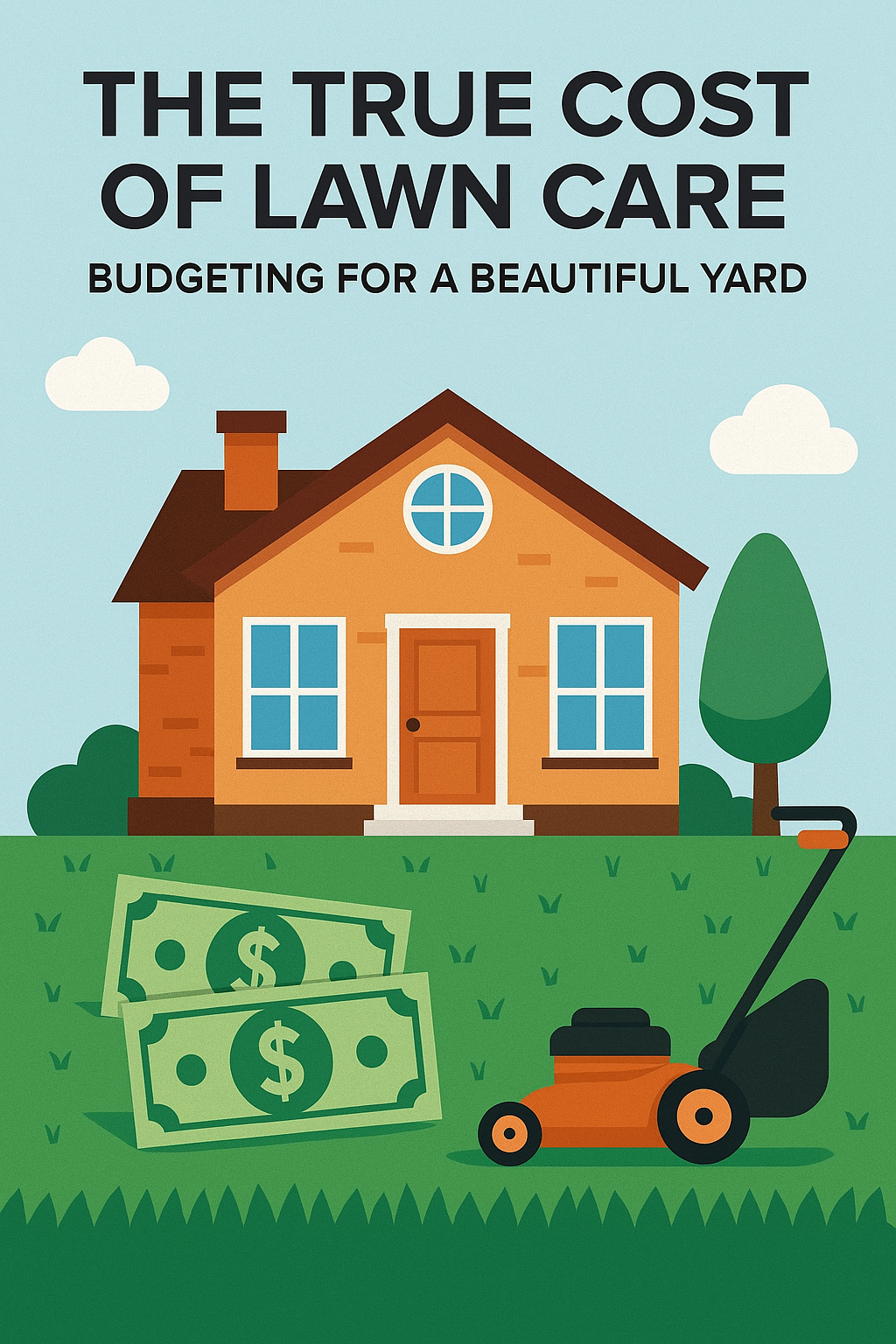
When embarking on a lawn care project, the initial costs can often be a significant factor in determining the overall feasibility of maintaining a healthy and vibrant outdoor space. The first step in understanding these costs involves assessing the size of the area to be maintained. Larger lawns typically require more resources, including seed, fertilizer, and water, which can quickly add up.
For instance, a standard bag of grass seed may cover approximately 1,000 square feet and cost around $30 to $50, while a larger lawn could necessitate multiple bags, leading to an initial investment that can reach several hundred dollars. In addition to seed, other essential components contribute to the initial costs. Soil preparation is crucial for establishing a healthy lawn, which may involve purchasing topsoil or compost to improve soil quality.
Depending on the condition of the existing soil, this could range from $50 to $200 or more. Furthermore, if the lawn requires sod instead of seed for immediate results, the costs can escalate dramatically. Sod prices can vary widely based on the type of grass and local availability, often ranging from $0.30 to $0.80 per square foot.
For a 1,500 square foot lawn, this could mean an expenditure of $450 to $1,200 just for sod alone.
Budgeting for Routine Maintenance
Once the initial setup is complete, routine maintenance becomes a critical aspect of lawn care budgeting. Regular mowing is one of the most visible and necessary tasks, and it can be performed either by hiring a professional service or investing in a quality mower. The cost of hiring a lawn care service can vary significantly based on location and lawn size, typically ranging from $30 to $80 per visit.
If you opt for a self-service approach, purchasing a reliable mower can cost anywhere from $200 to over $1,000, depending on the features and brand. In addition to mowing, other routine maintenance tasks include fertilization, weed control, and pest management. Fertilizers are essential for promoting healthy growth and can cost between $20 and $100 per application, depending on the type and size of your lawn.
Similarly, weed control products can range from $15 to $50 per treatment. It’s important to factor in these recurring expenses when creating a comprehensive budget for lawn care. Over time, these costs can accumulate significantly, making it essential to plan ahead and allocate funds accordingly.
Hidden Costs to Consider
While many costs associated with lawn care are straightforward, several hidden expenses can catch homeowners off guard. One such cost is water usage. Once you buy lawn in Sydney, the costs of maintaining a lush lawn often requires substantial irrigation, especially in drier climates or during summer months.
Depending on local water rates and the size of your lawn, monthly water bills can increase significantly during peak growing seasons. Homeowners should consider investing in a rain gauge or smart irrigation system to monitor water usage effectively and avoid unexpected spikes in utility bills. Another hidden cost is the potential need for soil testing and amendments.
Many homeowners may not realize that their soil may lack essential nutrients or have pH imbalances that can hinder grass growth. Soil testing kits typically range from $10 to $50, but if professional testing is required, costs can rise to $100 or more. Based on the results, additional amendments such as lime or sulfur may be necessary to correct deficiencies, adding further expenses to the overall budget.
These hidden costs underscore the importance of thorough planning and research before diving into lawn care.
Investing in Quality Tools and Equipment
Investing in quality tools and equipment is a crucial aspect of effective lawn care that can yield long-term benefits. While it may be tempting to opt for cheaper alternatives initially, high-quality tools often provide better performance and durability over time. For instance, a well-constructed lawn mower may have a higher upfront cost but can last for years with proper maintenance, ultimately saving money in replacement costs.
Brands known for their reliability often come with warranties that provide peace of mind against defects or failures. In addition to mowers, other essential tools include trimmers, blowers, and aerators. A quality string trimmer can range from $100 to $400, while leaf blowers may cost between $50 and $300.
Aeration tools are also vital for promoting healthy root growth by alleviating soil compaction; renting an aerator can cost around $50 to $100 per day. By investing in these tools rather than opting for lower-quality versions that may break down frequently or require replacement parts, homeowners can ensure their lawn care efforts are efficient and effective.
DIY vs Professional Services: Weighing the Costs
When it comes to lawn care, homeowners often face the decision of whether to tackle maintenance tasks themselves or hire professional services. Each option has its own set of costs and benefits that must be carefully weighed. DIY lawn care can be more economical in the short term; however, it requires time, effort, and a certain level of expertise.
For example, while purchasing fertilizers and equipment may seem less expensive than hiring a service, the time spent researching proper application techniques and performing the work must also be considered. On the other hand, professional lawn care services offer convenience and expertise that many homeowners may lack. These services typically come with a higher price tag but can save time and ensure that tasks are performed correctly.
For instance, a professional service may charge between $40 and $100 per visit for mowing and maintenance but will often include additional services such as fertilization and pest control as part of their package. Homeowners should evaluate their own skills and availability against the costs of professional services to determine which option aligns best with their budget and lifestyle.
Sustainable and Eco-Friendly Options
As environmental concerns continue to grow, many homeowners are seeking sustainable and eco-friendly options for lawn care that align with their values while also being cost-effective in the long run. Organic fertilizers and natural pest control methods are becoming increasingly popular as they reduce chemical runoff into local waterways and promote healthier ecosystems. While organic products may have a higher upfront cost—organic fertilizers can range from $30 to $70 per bag—they often improve soil health over time and reduce the need for synthetic chemicals.
Additionally, implementing xeriscaping techniques can significantly reduce water usage and maintenance costs associated with traditional lawns. This landscaping approach focuses on using drought-resistant plants and minimizing turf areas, which not only conserves water but also reduces mowing frequency and associated fuel costs. Homeowners who choose to transition to xeriscaping may initially invest in new plants and landscaping materials; however, the long-term savings on water bills and maintenance make it an attractive option for those looking to create an environmentally friendly outdoor space.
Long-Term Planning and Budgeting
Effective long-term planning is essential for managing lawn care expenses over time. Homeowners trying to create a beautiful lawn like at Bassendean Oval should consider creating a multi-year budget that accounts for both routine maintenance costs and potential one-time expenses such as equipment purchases or major landscaping projects. By spreading out these costs over several years, homeowners can avoid financial strain while ensuring their lawns remain healthy and well-maintained.
Additionally, setting aside a contingency fund for unexpected expenses is wise. Lawn care can sometimes present unforeseen challenges such as pest infestations or severe weather events that necessitate immediate attention or repairs. By allocating a portion of the budget specifically for these emergencies—typically around 10% of the total budget—homeowners can navigate these situations without derailing their overall financial plan.
Maximizing the Value of Your Lawn Care Budget
To maximize the value of your lawn care budget, it’s essential to prioritize tasks based on their impact on overall lawn health while being mindful of costs. For instance, focusing on proper watering techniques—such as deep watering less frequently—can promote deeper root growth while conserving water resources. This approach not only enhances the health of your lawn but also reduces water bills over time.
Moreover, taking advantage of seasonal sales on fertilizers and equipment can lead to significant savings. Many garden centers offer discounts during off-peak seasons or clearance sales at the end of summer when demand decreases. By planning purchases around these sales cycles, homeowners can acquire high-quality products at reduced prices without compromising on quality.
In conclusion, understanding the various aspects of lawn care budgeting—from initial costs to long-term planning—enables homeowners to make informed decisions that align with their financial goals while maintaining beautiful outdoor spaces. By considering all factors involved in lawn care expenses and prioritizing sustainable practices where possible, individuals can cultivate not only lush lawns but also responsible stewardship of their resources.


Lighting and AV: Elevating Your Trade-Show Booth Experience
In the competitive environment of trade shows, grabbing attention and keeping it is essential. With dozens or even hundreds of...


Ride in Style: Why Every Couple Deserves a Wedding Limo Toronto
Your wedding day is one of the most memorable days of your life and every moment deserves a touch of...


Revolutionize Garden Care with Aiper Store Australia Irrigation Controllers
The contemporary homeowner is gradually resorting to technology to ease the maintenance of the gardens. Aiper Store Australia has an...


Sales Reps No Longer Required: Outscaled’s Framework Closes Clients Without the Close
Outscaled is challenging the very foundation of traditional sales teams with a framework that eliminates the need for discovery calls,...


Mastering Mindfulness: Techniques for Inner Peace
Mindfulness is a mental practice that emphasizes being present in the moment, fully engaging with one’s thoughts, feelings, and surroundings...


The True Cost of Lawn Care: Budgeting for a Beautiful Yard
When embarking on a lawn care project, the initial costs can often be a significant factor in determining the overall...


Starting Strong: Choosing the Right Pickleball Paddle for New Players
Pickleball has become one of the fastest-growing sports in the country, attracting people of all ages with its mix of...
-
 Technology3 years ago
Is Camegle Legit Or A Scam?
-
 Travel3 years ago
NEW ZEALAND VISA FOR ISRAELI AND NORWEGIAN CITIZENS
-
 Technology3 years ago
RNDcoin: Korea’s first blockchain project and a world-class cryptocurrency
-
 Uncategorized3 years ago
AMERICAN VISA FOR NORWEGIAN AND JAPANESE CITIZENS
-
Lifestyle1 year ago
A Guide to Silverdaddies: What You Need to Know
-

 Fashion1 year ago
Goda Perfume Reviews: Is It Worth Your Investment?
-
 Health3 years ago
Health Benefits Of Watermelon
-

 Home Improvement8 months ago
Artificial Grass Designs: Perfect Solutions for Urban Backyards