
Home Improvement
How To Write A Skyscraper


Introduction
You’re sitting in your office, staring out the window at the construction site down the street. The new skyscraper is going up like a rocket, and you can’t help but be impressed. As a marketer, wouldn’t it be great to have something this impressive to promote? Unfortunately, writing a skyscraper is not as easy as flipping a switch. It requires careful planning, expert execution, and – most importantly – an understanding of your audience. In this blog post, we will walk you through the steps necessary to write a skyscraper that will impress your readers and engage them on an emotional level. From defining your target market to crafting an engaging storyline, read on to learn how to write a skyscraper that works.
Thesis Statement
A skyscraper is a large, high-rise building. Skyscrapers are used to house businesses, offices, and other large groups of people. They are also used to make a city look nicer. Skyscrapers can be made out of different materials, but they all have one thing in common: they are tall.
The Argument
skyscrapers are one of the most iconic and recognizable structures in the world. They’re awe-inspiring, and eye-catching and provide an incredible visual display that can be seen from miles away. But what is it about these towering buildings that have made them so popular?
There are a number of reasons why skyscrapers have become such an integral part of our urban landscape. For one, they are incredibly versatile structures. They can be used for a variety of purposes, ranging from housing to offices to stores. Additionally, they can be designed in a variety of different shapes and sizes, which means that they can be used to create unique and iconic-looking designs.
And last but not least, skyscrapers are striking visually. They’re dramatic and imposing structures that add an element of excitement and energy to any cityscape. Whether you’re walking down the street or driving by, you’re bound to see at least one skyscraper in any given area. And since they provide such an impressive visual display, it’s no wonder they continue to become more and more popular.
Body Paragraphs
Skyscrapers are a popular building design that has come to symbolize modernity and progress. They are often used to promote cities and attract tourists. While skyscrapers can be beautiful, they can also be extremely complex structures.
To write a skyscraper, start by understanding the different parts that make up the structure. The foundation is where the building rests on the ground. Next, add the frame, which is made up of columns and beams that support the weight of the building. Add the top of the tower, which will be made up of windows and other decorative features. Finally, add any other supporting features, such as staircases and elevators.
When writing a skyscraper, it is important to keep in mind all of these different elements. To do this, you will need to research specific skyscrapers and their construction techniques. Then, use this information to create a realistic portrayal of a skyscraper in your work.
Conclusion
If you’ve been considering writing a skyscraper for your next novel, this guide will help you get started. By following the tips outlined in this article, you’ll be well on your way to creating an unforgettable story that will engage readers from the very beginning. So don’t wait any longer – start writing today and see how high your skyscraper can go.

Navigating the maze of insurance options can be a daunting task, especially if you’re new to the world of coverage and policies. Fortunately, Openhouseperth.net Insurance offers a comprehensive range of insurance products tailored to meet your various needs. In this guide, we’ll break down everything you need to know about Openhouseperth.net Insurance, from the types of insurance they offer to how you can request a quote and get in touch for more details.
Which Insurance Kinds Does Openhouseperth.net Provide?
Openhouseperth.net offers a variety of insurance options designed to protect multiple aspects of your life and property. Here are the primary types of insurance available:
- Home Insurance: Provides coverage for your dwelling and personal property against risks like theft, fire, and natural disasters.
- Contents Insurance: Covers personal belongings inside your home, such as furniture, electronics, and clothing.
- Landlord Insurance: Designed for property owners who rent out their homes, covering the building, its contents, and potential rental income loss.
- Strata Insurance is essential the following for owners of units or apartments. It covers shared areas, common property, and occasionally personal items within the unit.
By offering these diverse insurance products, Openhouseperth.net ensures that you can find the right coverage tailored to your specific needs.
What is the Process for Using Openhouseperth.net’s Building Insurance?
Purchasing and using building insurance with Openhouseperth.net is straightforward:
- Get a Quote: Visit their website or contact their customer service team to request a quote tailored to your property’s specifics.
- Review and Customize: You’ll receive a detailed breakdown of the coverage offered. Then, customize the plan according to your needs and budget.
- Purchase: Once satisfied, you can proceed with purchasing the policy. Payment options are flexible, allowing you to choose the most convenient method.
- File a Claim: Filing a claim is simple in the event of an incident. Contact Openhouseperth.net by email or phone, provide the necessary documentation, and their team will guide you through the process.
What is Covered by Contents Insurance?
Contents insurance by Openhouseperth.net offers extensive coverage for your personal belongings within your home. This includes:
- Electronics and Gadgets: Laptops, smartphones, televisions, and other electronic devices.
- Furniture: Sofas, beds, dining tables, and other furnishings.
- Clothing and Accessories: Wardrobe items, jewelry, and watches.
- Appliances: Kitchen appliances, washing machines, and more.
It also provides additional coverage for items lost or damaged during specific events such as burglary, fire, or natural disasters.
Does Openhouseperth.net Insurance Provide Benefits for Landlords?
Yes, Openhouseperth.net offers a robust landlord insurance policy, including:
- Building Protection: Coverage for structural damage to the property.
- Contents Coverage: Protection for items within the rental property owned by the landlord.
- Rental Income Protection: Compensation for lost rental income due to tenant default or property damage.
- Legal Liability: Coverage for legal expenses arising from disputes with tenants.
Why is Strata Insurance Necessary, and What Does it Entail?
Strata insurance is crucial for owners of units or apartments within a shared building. This type of insurance provides coverage for:
- Common Property: Shared areas like hallways, elevators, and lobbies.
- Building Structure: The overall structure of the building.
- Owner’s Fixtures and Fittings: Items like carpets and blinds within the units.
Strata insurance ensures that all unit owners share the responsibility of protecting the building and its common areas, offering a safety net against potential financial burdens.
How Can I Contact Openhouseperth.net to Request a Quote?
Requesting a quote from Openhouseperth.net is easy. You can:
- Visit Their Website: Navigate to the ‘Get a Quote’ section and fill out the online form.
- Email: Reach out to their customer service team via email for personalized assistance.
- Phone: Call their dedicated customer support line to speak directly with an agent.
Does Openhouseperth.net offer any Insurance Reductions?
Openhouseperth.net often provides discounts and offers to help you save money on your insurance premiums. These can include:
- Multi-Policy Discounts: Save money by bundling multiple policies, such as home and contents insurance.
- No-Claim Bonuses: Lower premiums for policyholders who haven’t filed any claims over a certain period.
- Early Bird Discounts: Reduced rates for those who sign up for a policy well in advance.
What Distinguishes Openhouseperth.net from Other Insurance Companies?
Openhouseperth.net sets itself apart from other insurance providers through the following:
- Tailored Insurance Solutions: Customizable policies designed to meet individual needs.
- Exceptional Customer Service: A dedicated team is available to assist with claims, queries, and more.
- Competitive Pricing: Affordable rates without compromising on coverage.
- User-Friendly Platform: An intuitive website that makes it easy to get quotes, manage policies, and file claims.
Does a License govern Openhouseperth.net?
Yes, Openhouseperth.net is a licensed and regulated insurance provider that adheres to industry standards and regulations. This governance guarantees that you receive reliable and trustworthy services.
How Can I Get in Touch with Openhouseperth.net to Find Out More Details?
To learn more about Openhouseperth.net and the insurance products they offer:
- Visit their Website: Explore detailed information about various insurance products and services.
- Email: Contact their customer support team with any specific questions or concerns.
- Phone: Speak directly with an expert to get personalized advice and information.
FAQs
Q: What types of insurance does Openhouseperth.net offer?
A: Openhouseperth.net provides home insurance, contents insurance, landlord insurance, and strata insurance.
Q: How do I file a claim with Openhouseperth.net?
A: You can file a claim by contacting them through their website, email, or phone. They will guide you through the necessary steps.
Q: Are there discounts available for purchasing multiple policies?
A: Yes, Openhouseperth.net offers multi-policy discounts, no-claim bonuses, and early bird discounts.
Q: How can I request a quote from Openhouseperth.net?
A: Visit their website to fill out an online form, email their support team, or call their customer service line.
Q: Is Openhouseperth.net a licensed insurance provider?
A: Yes, Openhouseperth.net is licensed and regulated to ensure they meet industry standards and offer trustworthy services.
Conclusion
Openhouseperth.net Insurance offers a wide range of insurance products to meet various needs, from home and contents insurance to specialized coverage for landlords and strata properties. With exceptional customer service, competitive pricing, and customizable policies, they are a reliable choice for anyone looking to secure their assets and future. For more information or to request a quote, visit their website or contact their support team today.

Long Beach, with its picturesque coastline, diverse neighborhoods, and mild climate, is a sought-after destination for homeowners. However, alongside its many attractions, Long Beach also grapples with a variety of pest infestations that can disrupt daily life and damage property. From tiny ants to elusive rodents, these pests pose challenges to homeowners seeking to maintain a pest-free environment. In this article, we’ll delve deeper into some of the most common pest problems faced by Long Beach homeowners and explore effective strategies for prevention and control.
Ant Infestations
Many types of ants make their presence known all year long, making ant infestations a persistent problem for Long Beach homeowners. Among the most frequent intruders, Argentine ants, smelly house ants, and pavement ants look for food and water sources inside of homes. These persistent pests can quickly establish colonies in kitchens, bathrooms, and other areas, leading to frustration and inconvenience for homeowners. To combat ant infestations, homeowners must maintain a clean living environment, promptly address any food spills or crumbs, and seal entry points where ants can gain access to the home.
Termite Damage
The mild weather in Long Beach makes it perfect for termites to flourish, which puts homeowners’ investments at serious risk. These stealthy destroyers may seriously harm timber buildings, including beams, flooring, and furniture, and frequently do so before homeowners realize how bad the infestation has gotten until it’s too late. To prevent expensive damage to properties from termites and to identify termite activity early on, licensed pest control long beach technicians must conduct routine inspections.
Cockroach Infestations
Cockroach infestations are a common problem in densely populated urban areas of Long Beach, where these resilient pests find ample sources of food, water, and shelter. Cockroaches can transmit diseases, trigger allergies, and contaminate food and surfaces, posing significant health risks to homeowners and their families. To prevent cockroach infestations, homeowners should maintain strict cleanliness standards, eliminate sources of moisture, and seal cracks and crevices where roaches can enter the home, thus minimizing the risk of infestation.
Rodent Intrusions
Rats and mice are unwelcome visitors to Long Beach homes, seeking refuge from the elements and a steady food supply. These pests can cause structural damage by gnawing on wires, insulation, and building materials, as well as pose health risks through their droppings and urine. An effective rodent control approach for Long Beach households must include proper sanitary habits, such as storing food in air-tight containers and disposing of house waste promptly, along with sealing entry openings and using traps or bait stations.
Bed Bug Infestations
Bed bugs have become a growing concern in Long Beach and beyond, with infestations often causing distress and discomfort for homeowners. These nocturnal pests feed on blood and can be challenging to detect and eradicate once they have established a presence in the home. Being cautious when traveling, looking through used furniture for indications of infection, and acting quickly to treat any activity related to bed bugs with professional assistance are all necessary to prevent bed bug infestations.
Mosquito Breeding
Long Beach’s warm climate and proximity to water sources create ideal breeding grounds for mosquitoes, making them a persistent nuisance for homeowners, particularly during the warmer months. Mosquitoes not only cause itchy bites but also transmit diseases such as West Nile virus and Zika virus, posing a danger to public health. Homeowners can reduce mosquito populations by eliminating standing water around their property, installing screens on windows and doors to prevent entry, and using insect repellents when spending time outdoors.
Conclusion
Pest infestations are an ongoing challenge for homeowners in Long Beach, requiring proactive measures and vigilance to keep homes pest-free. By understanding the common pest problems faced in the area and implementing effective prevention and control strategies, homeowners can protect their properties, safeguard their health, and enjoy peace of mind in their homes. Regular maintenance, proper sanitation, and professional pest management services are essential components of a comprehensive pest control strategy for Long Beach residents.
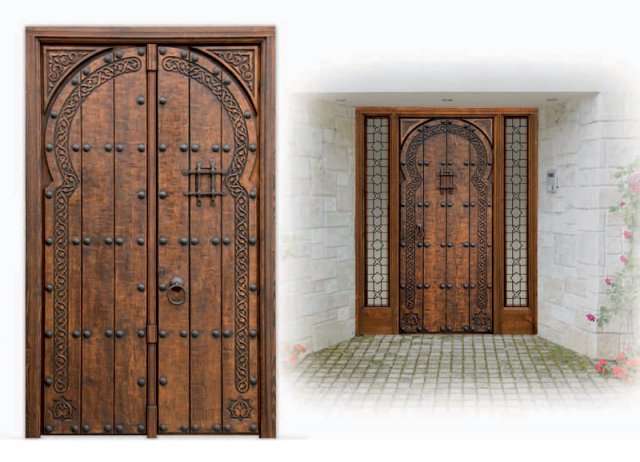
“Door Spain” is a term that may not immediately ring bells for many people due to its unique and possibly context-specific usage. In this guide, we’ll explore what “Door Spain” might mean, considering various interpretations and how they could be relevant to enthusiasts of cultural studies, geography, architecture, or potentially even specific products or services named after this enigmatic phrase.
Understanding Door Spain
First and foremost, it is essential to clarify that “Door Spain” does not correspond to any widely recognized term in public databases or popular usage. This suggests that “Door Spain” could be a niche concept or a new entrant in a specific field. Here are a few possibilities:
- Cultural Significance:
- “Door Spain” could be a metaphorical expression used to describe the entryway or the beginning of experiencing Spain’s rich culture, heritage, and history. This interpretation would make it a poetic term, ideal for use in travel literature, cultural exposés, or documentary titles.
- Geographical Entry Points:
- It might also refer to significant entry points into Spain, whether these are major airports, border crossings, or ports. This usage would be practical in travel guides, logistical information for travelers, or discussions about infrastructure.
- Architectural Elements:
- Considering Spain’s architectural marvels, “Door Spain” could relate to distinctively Spanish door designs that mark the country’s historical and architectural identity. This could include the ornate doors of places like the Alhambra or the modernist entrances seen in Barcelona.
- Product or Brand Name:
- If “Door Spain” is a product, brand, or company, it might relate to an enterprise dealing in doors or construction materials in Spain. Alternatively, it could be a brand that symbolically represents the ‘door’ to Spanish culture, products, or services.
Exploring the Significance
To dive deeper into any of these interpretations, one would need to consider the cultural context or the specific attributes associated with “Door Spain.” Each interpretation opens up various avenues for exploration:
- Cultural Studies:
- Examining how Spain is perceived as a gateway to diverse cultural experiences, including its cuisine, dance (like flamenco), and traditional festivals.
- Travel and Geography:
- Details the major access points for tourists and how these facilitate the exploration of Spain’s diverse regions from the Pyrenees in the north to Andalusia in the south.
- Architecture:
- A study of Spain’s architectural transitions visible in its doors—from the Islamic architectural influences in the south to the Romanesque and Gothic styles predominant in the north.
- Marketing and Products:
- If a product, understanding how “Door Spain” markets itself globally could provide insights into effective branding strategies that encapsulate and promote Spanish heritage.
Conclusion
Without additional specific information, “Door Spain” remains a beautifully ambiguous phrase ripe with potential for exploration. Whether you’re a traveler, a cultural scholar, an architect, or a marketer, considering “Door Spain” as a literal or metaphorical doorway opens up a myriad of possibilities to explore the essence and richness of Spain.
This guide serves as a starting point for anyone looking to delve into what “Door Spain” could mean and how it reflects the broader narrative of Spain’s identity, both culturally and commercially. As more information becomes available, the interpretation and significance of “Door Spain” will undoubtedly become clearer, providing richer content and deeper understanding.
How WellHealthOrganic Home Remedies Tag Connect Mind, Body, and Environment
Analyzing the Action: Top Matches and Moments from WWE SmackDown Episode 1491
From Mohali to the UAE: How Ramneek Sidhu Built Digital Kings into a Premier Digital Marketing Agency
How WellHealthOrganic Home Remedies Tag Connect Mind, Body, and Environment
In this blog post, we’ll explore how simple yet profound practices can transform your well-being while fostering a deeper connection...
Analyzing the Action: Top Matches and Moments from WWE SmackDown Episode 1491
If you thought the squared circle was just a stage for scripted drama, think again! Episode 1491 of WWE SmackDown...
From Mohali to the UAE: How Ramneek Sidhu Built Digital Kings into a Premier Digital Marketing Agency
In today’s digital age, where online presence can make or break a brand, one name is making waves across continents:...
A Comparison of Invisalign and Its Leading Competitors
Are you dreaming of a confident smile but hesitant to embrace traditional metal braces? You’re not alone! The quest for...
Invisalign competitors and modern orthodontic treatments
Are you on a quest for the perfect smile but feeling overwhelmed by your options? With so many orthodontic treatments...


Unpacking the Nnevelpappermann Leaks: What You Need to Know About This Explosive Incident
In a world where secrets can shift the balance of power and information is currency, few events have sent shockwaves...


The Emergence of Luther Social Media Maven Keezy.co
Introduction to Luther Social Media Maven Keezy.co Are you ready to revolutionize your social media game? Look no further than...
-
 Travel2 years ago
NEW ZEALAND VISA FOR ISRAELI AND NORWEGIAN CITIZENS
-
 Uncategorized2 years ago
AMERICAN VISA FOR NORWEGIAN AND JAPANESE CITIZENS
-
 Health2 years ago
Health Benefits Of Watermelon
-
 Lifestyle1 year ago
These Easy, Affordable Improvements Can Completely Transform Your Home
-
 Technology1 month ago
Imagine a World Transformed by Technology and Innovation of 2023-1954
-
 Lifestyle2 months ago
The Role of Door-to-Door Apps in Voter Engagement
-
Home Improvement9 months ago
11 Amazing Insights into Home Decor Gifts – Elevate Your Gifting Game
-
 Business2 months ago
Metaphysical Stores Near Me