
Travel
Luxury Bus Rentals in Dubai: Travel in Style for Your Next Event

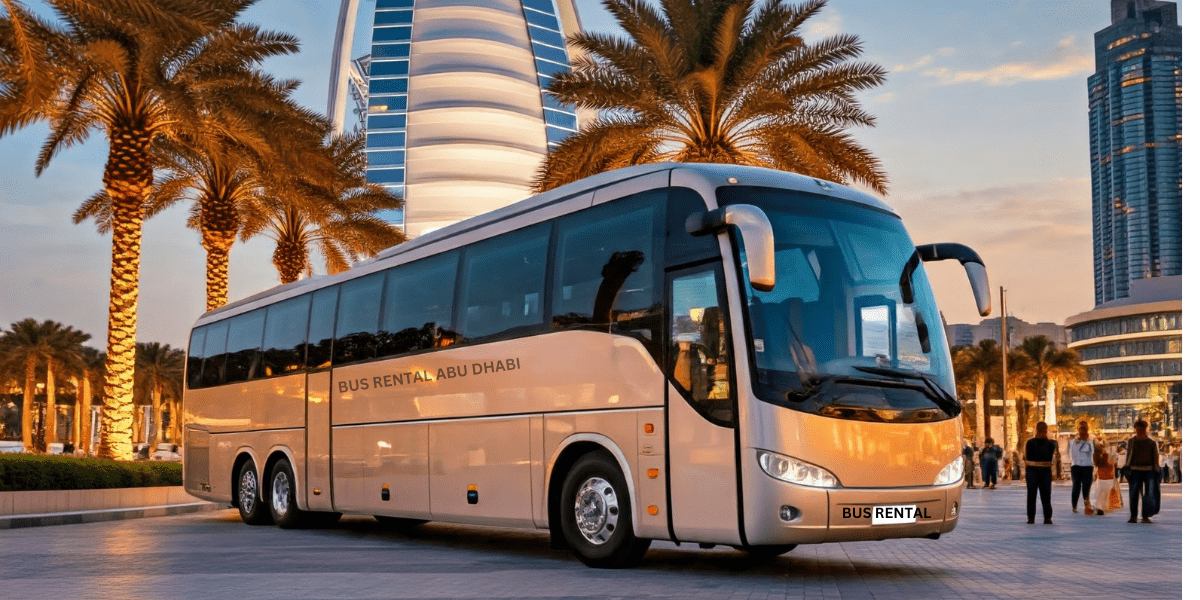
Dubai, a city that epitomizes luxury, opulence, and grandeur, is known for its stunning skyline, world-class shopping malls, and extravagant experiences. Whether you’re planning a corporate event, a private celebration, or a group outing, getting around the city in style is essential. And what better way to do this than with a luxury bus rental Dubai? This guide explores the many benefits of renting a luxury bus in Dubai for your next event, offering comfort, convenience, and class to your travel experience.
Why Choose a Luxury Bus Rental in Dubai?
When it comes to organizing events in Dubai, transportation is often one of the most challenging aspects to plan, especially for large groups. With the city’s fast-paced environment and high standards of service, travelers expect nothing less than luxury. Renting a luxury bus in Dubai ensures that every detail of your event goes off without a hitch, from transportation to the overall experience.
- Unmatched Comfort
One of the most significant advantages of luxury bus rentals in Dubai is the comfort they offer. These buses are designed to provide a smooth, relaxing journey, regardless of traffic. Whether you’re heading to a corporate seminar, a wedding, or a family outing, a luxury bus allows you to travel in style and comfort.
- Plush seating: Luxury buses are equipped with reclining seats, leather upholstery, and ample legroom. You can kick back, relax, and enjoy the ride, whether you’re traveling for an hour or a few hours.
- Climate control: The buses are fitted with advanced air conditioning systems, ensuring the ideal temperature regardless of the outside weather.
- Lavish interiors: The interiors often feature state-of-the-art lighting, elegant finishes, and spacious cabins that make you feel like you’re stepping into a five-star hotel on wheels.
- Impressive Amenities
Luxury bus rentals in Dubai come with a wide array of amenities designed to enhance your experience. Many buses offer the perfect blend of functionality and leisure, including:
- Entertainment systems: High-definition TVs, surround sound systems, and Bluetooth connectivity ensure that you can enjoy music, movies, or even video conferencing if needed.
- Wi-Fi access: Stay connected with high-speed internet on board, perfect for business trips or staying in touch with friends and family during the ride.
- Mini-bar: Some luxury buses include a small bar area stocked with refreshments, ideal for toasting a special occasion or enjoying drinks during a city tour.
- USB charging ports: Never worry about your devices running out of battery. USB ports at each seat make it easy to charge phones, tablets, and other devices on the go.
- Personalized Experience
One of the major selling points of a luxury bus rental service in Dubai is the ability to customize the experience. Whether you’re organizing a corporate event, a wedding, or a private city tour, these buses can be tailored to your specific needs.
- Custom routes: You can design your own route to ensure you hit all the key locations of interest for your event or group. Whether it’s a scenic tour of the city, a visit to the desert, or a ride to a luxurious venue, the driver will follow your preferred schedule.
- On-board catering: Many bus rental companies offer catering services, allowing you to enjoy gourmet meals or snacks while traveling. Whether it’s a quick bite before an event or a lavish meal on the way to a celebration, the experience is one to remember.
- Personalized branding: For corporate clients, luxury buses can be customized with company logos or event-specific branding, providing a professional and cohesive experience for all attendees.
- Time Efficiency
Dubai is a bustling metropolis, and traffic congestion can often be an issue, particularly during peak hours. However, renting a luxury bus can save you a significant amount of time. Luxury buses are equipped with advanced GPS systems that can help navigate through the city’s traffic, avoiding delays and ensuring that you reach your destination on time.
Additionally, having a dedicated chauffeur or driver allows you to relax and enjoy the journey, without the stress of navigating through unfamiliar streets. Whether you’re heading to a business meeting, a concert, or a private event, you can be sure that a luxury bus rental will get you there on schedule.
- Eco-Friendly Option
In today’s environmentally conscious world, many people are looking for ways to reduce their carbon footprint. Renting a luxury bus for your event can actually be an eco-friendly option, particularly if you’re traveling in a large group. Buses can accommodate up to 50 passengers, significantly reducing the number of individual cars needed for the trip. This reduction in the number of vehicles on the road translates to less traffic congestion, fewer emissions, and a smaller environmental impact overall.
- A Statement of Elegance
Arriving in a luxury bus doesn’t just offer comfort and convenience—it makes a statement. In Dubai, where luxury is part of the lifestyle, traveling in style is expected. A luxury bus rental serves as a status symbol, signaling sophistication, elegance, and exclusivity.
For special occasions like weddings, private parties, or VIP corporate events, arriving in a luxury bus can elevate the entire experience. It’s a statement piece, adding to the glamour and excitement of the event before even stepping inside the venue.
- Large Group Transportation
One of the biggest challenges when organizing events for large groups is transportation. Renting a fleet of cars or booking taxis for everyone can be costly and logistically complex. A luxury bus rental simplifies this by providing transportation for large groups, ensuring everyone arrives together. This is particularly useful for corporate outings, conventions, or destination weddings, where coordination is key.
Popular Events for Luxury Bus Rentals in Dubai
Here are some of the most popular events where luxury bus rentals are an ideal solution in Dubai:
- Weddings and Celebrations
- Arrive in Style: Wedding guests can travel together in a luxury bus, ensuring that the entire party arrives in style and on time.
- Luxury for the Bride and Groom: Some couples opt for a luxury bus for their bridal party, ensuring they travel comfortably to and from the ceremony and reception.
- Corporate Events and Conferences
- Business on the Go: For corporate clients, luxury buses are ideal for transporting teams, clients, or speakers between venues, or to business lunches and dinners.
- Team Building: Whether it’s a team-building event or a corporate retreat, luxury buses provide a comfortable and productive way to travel together.
- City Tours and Sightseeing
- Explore Dubai in Comfort: For tourists or locals wanting to explore the city’s iconic attractions, renting a luxury bus is an excellent way to travel in comfort while seeing all the sights.
- Desert Safaris: Luxury buses are also used to transport guests on desert safari tours, providing a comfortable ride to and from the desert dunes.
- Concerts, Festivals, and Sports Events
- Group Transportation: For large groups attending a concert, sports event, or festival, a luxury bus ensures everyone travels together, enjoying an enhanced experience with amenities along the way.
- Private Parties and Social Gatherings
- Luxury Party Bus: Transform the bus itself into a mobile party venue. With high-end sound systems, lighting, and a small bar, a luxury bus can double as an entertainment space for pre-party activities or after-event relaxation.
How to Choose the Right Luxury Bus Rental in Dubai
When selecting a luxury bus rental service in Dubai, it’s important to consider the following factors:
- Reputation: Look for companies with a strong reputation for providing top-tier service and well-maintained vehicles. Reviews and testimonials from past clients can offer valuable insights.
- Fleet Variety: Choose a company that offers a variety of buses, from smaller luxury minibuses to larger, more extravagant options.
- Amenities: Ensure the bus is equipped with the amenities you require, such as Wi-Fi, entertainment systems, and on-board catering.
- Driver Experience: The driver should be experienced, professional, and familiar with the best routes around Dubai. A courteous, knowledgeable driver will enhance the overall experience.
- Pricing: While luxury buses are an investment, ensure that the company offers competitive pricing and provides clear quotes with no hidden fees.
Conclusion
Luxury bus rental Dubai offers a unique blend of comfort, style, and convenience for your next event. Whether you’re organizing a corporate gathering, a wedding, or a sightseeing tour, a luxury bus ensures your group travels together in comfort while making a lasting impression. With personalized service, high-end amenities, and the ability to cater to large groups, it’s the ultimate choice for those who want to elevate their travel experience in one of the most glamorous cities in the world. So, for your next event, why not travel in style and make the journey just as memorable as the destination?


Introduction
The Hudson is more than just a river. It is a symbol of history, culture, and natural beauty that has shaped life in the northeastern United States for centuries. Flowing for about 315 miles, River stretches from the Adirondack Mountains in upstate New York all the way to the New York Harbor, where it meets the Atlantic Ocean. Over time, It has played an important role in travel, trade, and even art, making it one of the most famous rivers in America.
Geography and Course
The Hudson begins at Lake Tear of the Clouds, high in the Adirondack Mountains. From there, it flows south through valleys and cities before reaching its widest point at Haverstraw Bay. The river finally empties into the Upper New York Bay, where it meets the Atlantic Ocean. Interestingly, It is actually a tidal estuary, meaning ocean tides push saltwater north into the river. This mix of saltwater and freshwater creates a unique environment for fish, birds, and plants.
The Hudson in History
For centuries, River has been important to both Native Americans and European settlers. The Mohican people once lived along its banks, using the river as a source of food and transportation. In 1609, the English explorer Henry Hudson, sailing for the Dutch, traveled up the river while searching for a new route to Asia. His journey led to Dutch settlements in the region, which later became New York.
During the American Revolution, It played a key role. Control of the river was vital for moving troops and supplies. Forts and chains were built across it to block enemy ships. Because of its strategic location, George Washington called the “key to the continent.”
Economic Importance
It has always been a lifeline for trade. In the 19th century, the construction of the Erie Canal connected the Hudson River to the Great Lakes, making it a major transportation route for goods. This helped New York City grow into one of the world’s biggest trade centers. Even today, ships, barges, and ferries travel along the river, supporting commerce and tourism.
The Hudson and American Art
The Hudson is also known for its impact on art. In the 1800s, a group of painters known as the Hudson River School found inspiration in the river’s beauty. They painted landscapes filled with dramatic skies, mountains, and waterways. Their work celebrated nature and encouraged people to appreciate America’s wild landscapes. This art movement helped create an early love for preserving natural areas.
Environmental Challenges and Recovery
Like many rivers near large cities, the Hudson faced serious pollution during the 20th century. Factories dumped chemicals into the water, harming fish and wildlife. By the 1970s, the river had become heavily polluted. However, thanks to strong environmental movements and cleanup efforts, the Hudson has made an impressive recovery. Today, fish species such as striped bass have returned, and bald eagles are once again seen along its shores.
The Hudson Today
Modern life along the Hudson is full of activity. Cities such as Albany, Poughkeepsie, and New York City sit on its banks. Tourists enjoy river cruises, hiking trails, and waterfront parks. Every fall, visitors come to see the colorful foliage along the Hudson Valley, one of the most scenic areas in the United States. The river continues to provide drinking water, recreation, and inspiration for millions of people.
Conclusion
The Hudson is not just a river it is a thread connecting history, art, and everyday life. From its role in Native American culture and the American Revolution to its importance in trade and environmental recovery, the Hudson remains a vital part of the region. It is a place where nature and people meet, and it continues to inspire all who visit its shores.

Introduction
Standing in line at the DMV for hours just to renew your license plate feels like a relic from the past. Kwik Trip, the beloved Midwest convenience store chain, has revolutionized this mundane task by offering quick and efficient license plate renewal services right at their locations.
With over 800 stores across Wisconsin, Minnesota, and Iowa, kwik trip license plate renewal has become more than just a place to grab coffee and snacks. They’ve partnered with state agencies to provide essential services that save you time and hassle. License plate renewal is one of their most popular offerings, allowing you to complete this annual requirement while picking up your morning coffee or filling up your gas tank.
This comprehensive guide will walk you through everything you need to know about renewing your license plate at Kwik Trip, from the step-by-step process to what documents you’ll need and common troubleshooting tips.
How to Renew Your License Plate at Kwik Trip: Step-by-Step Guide
Renewing your license plate at Kwik Trip is surprisingly straightforward. The entire process typically takes just a few minutes, making it far more convenient than traditional DMV visits.
Step 1: Locate a Participating Kwik Trip
Not all Kwik Trip locations offer license plate renewal services. Use the Kwik Trip store locator on their website or call ahead to confirm your nearest location provides this service. Most larger stores and those in urban areas typically offer renewal services.
Step 2: Gather Your Required Documents
Before heading to the store, make sure you have all necessary documentation. We’ll cover the specific requirements in detail below, but generally, you’ll need your current registration and a valid form of payment.
Step 3: Visit the Customer Service Counter
Once at the store, head to the customer service counter. Look for signs indicating “License Plate Renewal” or “Vehicle Registration Services.” During busy periods, you might need to take a number or wait briefly.
Step 4: Provide Your Information
Hand over your current vehicle registration to the Kwik Trip associate. They’ll input your information into their system, which connects directly to state databases to verify your eligibility and calculate renewal fees.
Step 5: Review and Confirm Details
The associate will display your vehicle information on a screen or printed form. Double-check that all details are correct, including your name, address, vehicle make and model, and VIN number. Any errors should be corrected before proceeding.
Step 6: Pay Your Renewal Fee
License plate renewal fees vary by state and vehicle type. The system will automatically calculate your fee, including any applicable taxes or additional charges. Kwik Trip accepts cash, credit cards, and debit cards for payment.
Step 7: Receive Your New Registration
After payment processing, you’ll receive your new registration documents immediately. Some states also provide new license plate stickers at the time of renewal, while others mail them separately to your registered address.
Benefits of Renewing at Kwik Trip
Choosing Kwik Trip for your license plate renewal offers several compelling advantages over traditional DMV visits.
Extended Operating Hours
Most Kwik Trip locations are open 24 hours a day, seven days a week. This means you can renew your license plate early in the morning, late at night, or on weekends when DMV offices are closed. The flexibility fits perfectly into busy schedules.
No Appointment Necessary
Unlike many DMV services that require advance scheduling, Kwik Trip operates on a walk-in basis. You can handle your renewal whenever it’s convenient, without planning weeks ahead.
Faster Service Times
The average license plate renewal at Kwik Trip takes between 3-7 minutes. Compare this to typical DMV wait times, which can stretch to an hour or more during peak periods.
Multiple Errands in One Trip
Since Kwik Trip is a full-service convenience store, you can combine your license plate renewal with other tasks like getting gas, buying groceries, or grabbing a meal. This efficiency saves both time and fuel.
Knowledgeable Staff
Kwik Trip associates receive specific training on vehicle registration processes. They can answer questions about renewal requirements, explain fees, and help troubleshoot common issues.
What You Need to Bring
Proper preparation ensures a smooth renewal experience. Here’s exactly what you need to bring to Kwik Trip for license plate renewal.
Required Documents
Your current vehicle registration is the primary document you’ll need. This should be the most recent registration card issued by your state’s DMV or equivalent agency. Make sure it’s not expired by more than the grace period allowed in your state.
Valid Payment Method
Kwik Trip accepts various payment options including cash, major credit cards (Visa, MasterCard, Discover, American Express), and debit cards. Some locations may also accept checks, though policies vary by store.
Identification (If Required)
While not always necessary for standard renewals, bring a valid driver’s license or state-issued ID card. This may be required if there are discrepancies in your information or if you’re renewing on behalf of someone else.
Additional Documentation for Special Cases
If you’ve recently moved, you may need proof of your new address. For vehicles with liens, ensure your registration reflects the correct lienholder information. Commercial vehicles may require additional documentation depending on state regulations.
Troubleshooting Common Issues
Even with proper preparation, you might encounter some challenges during the renewal process. Here are solutions to the most common problems.
System Shows Outstanding Issues
If the computer system indicates problems like unpaid tickets or insurance lapses, you’ll need to resolve these with the appropriate agencies before renewal. Kwik Trip cannot override these system blocks, but they can provide information about which agency to contact.
Address Changes
If you’ve moved since your last registration, some states allow address updates during renewal at Kwik Trip. Others require you to update your address separately through the DMV. The associate can inform you of your state’s specific requirements.
Lost Registration Documents
Without your current registration, Kwik Trip may still be able to process your renewal using your license plate number and personal information. However, this depends on state regulations and system capabilities. Call ahead to confirm if this is possible.
Payment Issues
If your payment method is declined, Kwik Trip accepts multiple forms of payment. For exact cash payments, note that some locations may have limited change availability for large bills.
Vehicle Not Found in System
Occasionally, vehicles don’t appear in the state database due to data entry errors or recent purchases. If this happens, you’ll likely need to visit a DMV office to resolve the issue before renewing at Kwik Trip.
Frequently Asked Questions
Can I renew an expired license plate at Kwik Trip?
This depends on your state’s regulations and how long the registration has been expired. Most states allow renewal within a certain grace period (typically 30-60 days). Beyond that, you may need to visit the DMV directly.
Do all Kwik Trip locations offer license plate renewal?
No, not all locations provide this service. Larger stores and those in metropolitan areas are more likely to offer renewals. Use the store locator on Kwik Trip’s website or call ahead to confirm availability.
Can I get specialty or personalized plates renewed at Kwik Trip?
Standard specialty plates (like disability or veteran plates) can typically be renewed at Kwik Trip. However, new personalized plate applications usually require DMV processing.
What if I need to make changes to my registration information?
Simple changes like address updates may be possible during renewal, depending on state rules. More complex changes, such as adding or removing names from the title, typically require DMV processing.
Are there any vehicles that cannot be renewed at Kwik Trip?
Some commercial vehicles, motorcycles, or vehicles with complex registration situations may not be eligible for renewal at convenience stores. The system will indicate if DMV processing is required.
Save Time and Get Back on the Road
License plate renewal doesn’t have to be a dreaded annual chore. Kwik Trip has transformed this process into a quick, convenient task that fits seamlessly into your daily routine. With extended hours, knowledgeable staff, and efficient processing times, you can complete your renewal in minutes rather than hours.
Next time your registration renewal notice arrives in the mail, skip the DMV and head to your local participating kwik trip license plate renewal instead. Bring your current registration and payment method, and you’ll be back on the road with current tags before you know it. Check Kwik Trip’s website for the nearest participating location and make your next license plate renewal the easiest one yet.

Introduction
Planning a concrete project requires precise calculations, and knowing how much concrete fits in a cement truck is essential for budgeting and scheduling. Most how many yards of concrete are in a cement truck standard cement trucks carry between 8 to 12 cubic yards of concrete, but several factors can influence this capacity.
Understanding concrete truck volumes helps contractors, builders, and homeowners make informed decisions about material orders. Ordering too little concrete can delay projects and create unsightly seams, while ordering too much leads to waste and unnecessary costs.
This guide breaks down everything you need to know about cement truck capacities, from standard volumes to the factors that affect how much concrete you’ll actually receive on-site.
Standard Cement Truck Capacity
The most common cement trucks on construction sites carry 10 cubic yards of concrete. However, capacity varies based on truck size and design.
Small Cement Trucks
Small cement trucks typically hold 3 to 6 cubic yards of concrete. These trucks work well for residential projects with limited access, such as sidewalk repairs, small patios, or foundation work in tight spaces. how many yards of concrete are in a cement truck compact size allows them to navigate narrow driveways and streets where larger trucks cannot reach.
Standard Cement Trucks
Standard cement trucks carry 8 to 12 cubic yards of concrete. The 10-yard truck represents the industry standard and handles most residential and commercial projects efficiently. These trucks balance capacity with maneuverability, making them suitable for driveways, foundations, and medium-sized slabs.
Large Cement Trucks
Large cement trucks can carry up to 14 cubic yards of concrete. These high-capacity trucks serve major commercial and industrial projects where maximum efficiency matters. However, their size limits access to certain job sites, and local weight restrictions may prevent them from traveling on some roads.
Factors Affecting Concrete Volume
Several factors influence how much concrete a truck can actually deliver to your project site.
Truck Weight Limits
Federal and state regulations limit the total weight of loaded cement trucks. A cubic yard of concrete weighs approximately 4,000 pounds, and trucks must stay within legal weight limits for road safety. This means a truck’s maximum concrete capacity depends on both drum size and weight restrictions.
Concrete Mix Design
Different concrete mixes have varying densities. Lightweight concrete mixes allow trucks to carry more volume, while heavy mixes with steel reinforcement reduce the maximum cubic yards per load. Your concrete supplier will adjust the load size based on the specific mix you’ve ordered.
Travel Distance and Time
Long travel distances from the concrete plant to your job site affect the maximum load size. Concrete begins setting within 90 minutes of mixing, so suppliers may reduce load sizes for distant deliveries to ensure workable concrete upon arrival.
Site Accessibility
Narrow roads, low bridges, or weight-restricted areas may require smaller trucks with reduced capacity. Suppliers will assess your site access and recommend appropriate truck sizes to ensure safe delivery.
Calculating Concrete Needs for Projects
Accurate concrete calculations prevent delays and minimize waste on your construction project.
Measuring Your Project Area
Start by measuring the length, width, and depth of your concrete area in feet. Multiply these dimensions to get cubic feet, then divide by 27 to convert to cubic yards. For example, a 20-foot by 20-foot patio that’s 4 inches thick requires 9.9 cubic yards of concrete.
Adding Extra for Waste
Construction professionals typically order 5% to 10% extra concrete to account for waste, spillage, and minor measurement variations. This buffer ensures you have enough material to complete your project without emergency deliveries.
Multiple Truck Considerations
Large projects may require multiple truck loads. Plan delivery schedules carefully to ensure continuous concrete placement. Most concrete plants can coordinate sequential deliveries to maintain work flow without extended delays between loads.
Specialty Applications
Some projects require specific concrete volumes. Foundations typically need precise amounts to avoid weak spots, while decorative concrete may require smaller, more manageable loads for careful placement and finishing.
Environmental Considerations and Waste Reduction
Minimizing concrete waste benefits both your budget and the environment.
Accurate Ordering
Precise measurements and calculations reduce excess concrete that becomes waste. Work with experienced suppliers who can help refine your estimates based on project specifics and their delivery experience.
Concrete Recycling
Leftover concrete doesn’t have to go to landfills. Many suppliers offer concrete recycling programs that process unused material into aggregate for future projects. Some contractors use excess concrete for walkways, equipment pads, or other small applications on-site.
Timing and Coordination
Proper scheduling ensures concrete arrives when your crew is ready to place it. Delays can cause concrete to begin setting in the truck, potentially requiring disposal and reordering.
Sustainable Practices
Some concrete suppliers offer eco-friendly mixes that incorporate recycled materials or reduce carbon emissions during production. These options may affect truck capacity slightly but support environmental sustainability goals.
Frequently Asked Questions
How much does a cubic yard of concrete weigh?
A cubic yard of concrete typically weighs between 3,500 and 4,000 pounds, depending on the mix design and aggregate types used.
Can I order partial loads from cement trucks?
Yes, most suppliers offer partial loads, though minimum order requirements and delivery fees may apply. Small loads are often more expensive per cubic yard than full truck loads.
How long can concrete stay in the truck before it’s unusable?
Concrete typically remains workable for 90 minutes after mixing, though hot weather can reduce this time to 60 minutes or less. Cold weather may extend working time.
What happens if I order too much concrete?
Excess concrete can sometimes be returned to the plant for credit, used for other on-site applications, or disposed of according to local regulations. Most suppliers charge disposal fees for unused concrete.
Do different concrete types affect truck capacity?
Yes, specialty concrete mixes with different densities can increase or decrease the volume a truck can legally carry while staying within weight limits.
Planning Your Concrete Delivery Successfully
Understanding cement truck capacities helps ensure your concrete project proceeds smoothly from planning to completion. Standard trucks carrying 10 cubic yards handle most residential and commercial applications, while project-specific factors may require different truck sizes.
Work closely with your concrete supplier to determine the right truck size and number of loads for your project. Provide accurate measurements, site access information, and project timeline details to optimize delivery efficiency.
Remember that proper planning reduces waste, saves money, and supports environmental sustainability. Take time to calculate your concrete needs accurately, and don’t hesitate to consult with experienced suppliers who can guide you through the ordering process for optimal results.

Lighting and AV: Elevating Your Trade-Show Booth Experience
In the competitive environment of trade shows, grabbing attention and keeping it is essential. With dozens or even hundreds of...


Ride in Style: Why Every Couple Deserves a Wedding Limo Toronto
Your wedding day is one of the most memorable days of your life and every moment deserves a touch of...


Revolutionize Garden Care with Aiper Store Australia Irrigation Controllers
The contemporary homeowner is gradually resorting to technology to ease the maintenance of the gardens. Aiper Store Australia has an...


Sales Reps No Longer Required: Outscaled’s Framework Closes Clients Without the Close
Outscaled is challenging the very foundation of traditional sales teams with a framework that eliminates the need for discovery calls,...


Mastering Mindfulness: Techniques for Inner Peace
Mindfulness is a mental practice that emphasizes being present in the moment, fully engaging with one’s thoughts, feelings, and surroundings...


The True Cost of Lawn Care: Budgeting for a Beautiful Yard
When embarking on a lawn care project, the initial costs can often be a significant factor in determining the overall...


Starting Strong: Choosing the Right Pickleball Paddle for New Players
Pickleball has become one of the fastest-growing sports in the country, attracting people of all ages with its mix of...
-
 Technology3 years ago
Is Camegle Legit Or A Scam?
-
 Travel3 years ago
NEW ZEALAND VISA FOR ISRAELI AND NORWEGIAN CITIZENS
-
 Technology3 years ago
RNDcoin: Korea’s first blockchain project and a world-class cryptocurrency
-
 Uncategorized3 years ago
AMERICAN VISA FOR NORWEGIAN AND JAPANESE CITIZENS
-
Lifestyle1 year ago
A Guide to Silverdaddies: What You Need to Know
-

 Fashion1 year ago
Goda Perfume Reviews: Is It Worth Your Investment?
-
 Health3 years ago
Health Benefits Of Watermelon
-

 Home Improvement9 months ago
Artificial Grass Designs: Perfect Solutions for Urban Backyards