
Travel
Rajasthan Heritage Tour Packages: Explore Palaces & Forts


Strong even now, Rajasthan’s palaces and fortresses tell of a magnificent past. Their design and beauty are very amazing; the grandeur is well-known to cause hearts to skip a beat and eyes to glitter. Running your fingertips over curlicue carvings on the walls as you meander through little passageways will help you to appreciate the type of workmanship that well reflects their creation.
Not knowing which all to include in their schedule is the only issue visitors run upon. Here is a list of most inspirational palaces and forts in Rajasthan so that, on your next Rajasthan tour packages trip there, you know what you want to visit! So keep reading.
Rajasitan Historic Forts
Mandawa Fort
Mandawa Fort constructed around the 18th century. Renowned historical location Mandawa Fort is close to Shekhawati. Mandawa has countable number of forts. Simply said, it is also known as Shekhawati’s Fort Town. Still, Mandawa Fort is unique among others because of the individuality its paintings, murals, mirror works on the wall, and very amazing panoramic view display highlight.
With the greatest reasonably priced lodging choices, Mandawa Fort has lately been turned into a posh hotel. From the hotel’s rooftop, you can see the splendor of Rajasthan. Rooms are ornamented with Lord Krishna’s artistic creations. With its excellent vistas for sight-seeing, this fort catches most of the visitors.
One should also visit Aangan Resort close to Mandawa Fort. Its structural grace lets it highlight the great appeal of nature. Situated outside of Mandawa, far from the congestion of the city, the resort provides tranquilly and quiet. Believe me, its surrounds are absolutely beautiful. The resort has all the luxury one need. The resort also has a garden, pool, and reserved parking. It makes the ideal location for intimate meetings, trysts, get-togethers and vacation weddings as well.
Amber Fort
Attached to the Amber Palace is a Rajasthan renowned fort. Red sandstone and marbles define Amber Fort. This area is no less than a jewel based on the well made walls, the stones, and the folk music. Amber Fort’s captivating beauty is as big as one could have dreamed. From here one may see the celestial perspective of dawn and sunset. Amber Fort bestows the most beautiful view at evening when the lights are turned on. Hawa Mahal is the finest neighboring location.
Mehrangarh Fort
Mehrangarh Fort is the most famous fort among the blue city of Jodhpur. On the hilltop is it. The sculptures, relics, and within enticingly beautiful furniture all reflect Rajasthani tradition. Fort features seven quite large gates. Of the main ones are Jaya Pol, Fatteh Pol, Loha Pol. The Fort Museum has palanquins from Royal families, furnishings, and weapons. Mehrangarh is unique in historical writings.
Jaisalmer Fort
Built by King Rawal Jaiswal back in 1165 AD, Jaisalmer Fort is among India’s biggest fortifications. It also goes as Golden Fort or Sonar Quila. Since Jaisalmer fort lies atop the Trikuta hill surrounded by the Thar Desert, it is visible from every angle in the city. Fort features four very large grand entrances. It has palaces, temples, homes. Among the visually striking palaces are Royal Palace, Shree Nath Palace, Vyas Haveli. The museum of the fort has artwork and weapons. Once you enter this Fort, you will find it impossible to quit appreciating it.
Ranthambore Fort
Ranthambore National Park runs this fort on its grounds. Built in the tenth century, it is still breathtakingly robust. One may enjoy the National Park from Ranthambore Fort at a beautiful perspective. Among the main attractions are Ganesha Temple, Shiva Temple, Hammir’s court, and Jogi Mahal.
Chittorgarh Fort
Built across 700 acres of land in the 7th century, its Important landmarks include Meera Temple, Padmini’s Palace, Bada Mahal, Rana Kumbha, Gaumukh Reservoir, and others. Beautiful temples like Kalika Mata Temple and Adbudhnath Temple inspire confidence in gods among their guests. This water fort has 22 water bodies in total. Fortitude and sacrifice abound in Chittorgarh. To its visitors, this fort guarantees a unique experience.
Taragarh Fort
Rajasthani characteristic style is seen in Ajmer by Taragarh Fort. This fort was the hub of military operations in the Mughal Empire. The fort has water reservoirs and fleeing subways. The location has a fascinating and impressive historical background. Gagudiki Phatak, Lakshmi Pol, and Phuta Darwaza are the three principal entrances of the Fort. One appeals to Rani Mahal. This fort most certainly would have been complex if there had been any competition in choosing the top forts of India.
Umaid Bhawan Palace
This historic hotel is remarkable as part of it still serves as the royal family of Jodhpur’s household. For this reason, it is among the most well-known sites in Jodhpur and is featured in our Rajasthan Tour Packages.
City Palace, Jaipur
This fantastic palace excites you with a grace that is challenging to discover in other historical sites on Jaipur’s list of top visitor destinations. Its design suggests elements of European, Persian, and Indian architecture. The exteriors of the whole construction are softly and warmly illuminated by pink and red sandstone and white marble.
Junagarh Fort
Based on the assaults it endured, Junagarh fort in Bikaner seems to be the only one never able to be taken. Among several palaces housed in the fort are Anup Mahal, Badal Mahal, and Phool Mahal. These palaces are created with distinct themes based on the titles they have been granted. A few temples and Havelis that portray the profundity of the unspoken past of this fort are also comprised part of the fort. The fort has seven gates; the Sun Gate or Suraj Pol will take you to the many structures inside. The tremendous artistic sensibility of the creators is seen in the palaces and Havelis. In Bikaner, this is among the sights you really must see!
Conclusion
Apart from all these forts, Kumbhalgarh Fort in Rajasthan tour packages is also a must-visit site. Its second-biggest wall in the world and most realistic workmanship reflect this.

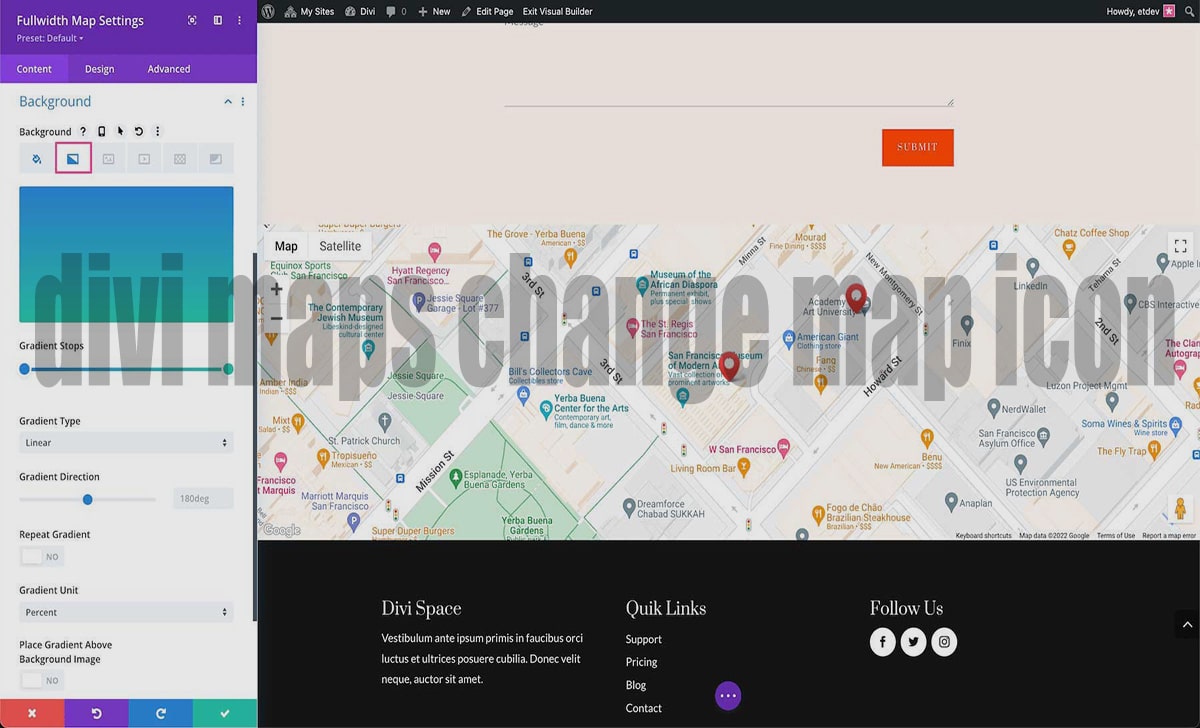
Introduction
The Divi Maps module is a powerful tool for adding interactive maps to your WordPress website, but the default map markers might not always align with your brand aesthetic or design vision. Whether you’re building a business directory, showcasing multiple locations, or creating a custom travel blog, personalizing your map icons can significantly enhance user experience and visual appeal.
Customizing map icons in Divi allows you to maintain consistency with your overall design theme while making your maps more functional and engaging. This guide will walk you through multiple methods to divi maps change map icon, from simple CSS modifications to advanced plugin implementations. By the end, you’ll have the knowledge to create unique, branded map markers that perfectly complement your website’s design.
Introduction to Divi Maps Module
The Divi Maps module integrates seamlessly with Google Maps to display interactive maps on your website. Built into the Divi theme and Divi Builder, this module offers basic customization options through the standard interface, including map height, zoom levels, and basic styling controls.
However, the default map markers are generic Google Maps pins that may not suit every website’s needs. For businesses wanting to showcase their brand identity or designers seeking more creative control, the standard options can feel limiting.
The Maps module supports multiple pins, custom addresses, and various map styles, making it versatile for different use cases. Understanding these foundational features helps you make informed decisions about which customization method will work best for your specific requirements.
Why Customize Your Map Icon?
Brand consistency plays a crucial role in professional web design. When your map icons match your website’s color scheme, typography, and overall aesthetic, they create a cohesive user experience that builds trust and recognition.
Custom map icons also improve functionality by making your markers more distinctive and easier to identify. Instead of generic pins that blend into the background, personalized icons can incorporate your logo, use brand colors, or feature symbols that relate to your business category.
From an accessibility standpoint, custom icons can be designed with better contrast and clearer imagery, making them more visible to users with visual impairments. This attention to detail demonstrates professionalism and consideration for all website visitors.
Additionally, unique map markers help your website stand out from competitors who rely on default styling. This differentiation can be particularly valuable for local businesses, real estate websites, or any site where location-based information is central to the user experience.
Methods to divi maps change map icon
Several approaches exist for customizing divi maps change map icon, each with different complexity levels and capabilities. The method you choose depends on your technical comfort level, specific design requirements, and whether you need a one-time solution or ongoing flexibility.
Using Custom CSS
Custom CSS offers the most direct approach for changing divi maps change map icon without additional plugins or complex setup. This method works by targeting the map markers with CSS selectors and replacing the default icons with your custom images.
The CSS approach requires you to upload your custom icon images to your media library first. Your icons should be optimized for web use, typically in PNG format with transparent backgrounds for the best visual results. Standard dimensions range from 32×32 pixels to 64×64 pixels, though you can adjust these based on your design needs.
This method provides good control over icon appearance and works well for sites where you want consistent icon styling across all maps. However, it requires basic CSS knowledge and may need updates if divi maps change map icon its underlying structure.
Implementing a Plugin
WordPress plugins offer user-friendly alternatives for those who prefer avoiding code modifications. Several plugins specifically address Google Maps customization, providing intuitive interfaces for uploading and managing custom map icons.
Popular options include WP Google Maps, MapPress, and various Divi-specific extensions. These plugins typically offer additional features beyond icon customization, such as advanced marker clustering, custom info windows, and integration with other WordPress functionalities.
Plugin-based solutions often provide more flexibility for managing multiple icon types, especially useful for websites with different location categories requiring distinct markers. They also tend to be more future-proof, as plugin developers handle compatibility updates when WordPress or Divi releases changes.
Step-by-Step Guide
Method 1: Custom CSS Implementation
Begin by preparing your custom icon image. Create or download an icon that matches your brand requirements, ensuring it’s properly sized and optimized for web use. Upload this image to your WordPress media library and copy the image URL.
Navigate to your WordPress dashboard and go to Divi > Theme Options > Custom CSS. Alternatively, you can add the CSS through Appearance > Customize > Additional CSS if you prefer.
Add the following CSS code, replacing the image URL with your custom icon’s URL:
.et_pb_map .gm-style img[src*="marker"] {
    display: none !important;
}

.et_pb_map .gm-style > div > div > div > div > div > div > img {
    content: url('YOUR-CUSTOM-ICON-URL-HERE');
}
Save your changes and clear any caching plugins to see the results immediately. Test your maps across different devices and browsers to ensure consistent appearance.
Method 2: Plugin Installation
Research and select a suitable Google Maps plugin that supports custom icons and integrates well with Divi. Install your chosen plugin through the WordPress admin panel under Plugins > Add New.
Configure the plugin settings according to your needs, typically involving entering your Google Maps API key and setting default styling options. Most plugins provide detailed setup instructions and documentation.
Create new maps using the plugin’s interface instead of the default Divi Maps module. Upload your custom icons through the plugin’s media management system and assign them to specific markers or location categories.
Replace existing Divi Maps modules with the plugin’s shortcode or widget, ensuring all functionality remains intact while gaining access to enhanced customization options.
Method 3: Advanced CSS Targeting
For more precise control, you can target specific map instances or individual markers using advanced CSS selectors. This approach allows different icons for different maps on the same website.
Assign custom CSS classes to your Divi Maps modules through the module settings’ Advanced tab. Use these classes to create specific styling rules that only affect designated maps.
Implement conditional styling that changes icons based on map content, location types, or other criteria relevant to your website’s structure and user needs.
Troubleshooting Common Issues
Map icons may not display correctly due to caching issues. Clear all caching plugins, CDN caches, and browser caches when testing changes. Some hosting providers also implement server-level caching that may require additional clearing steps.
Image path problems commonly occur when custom icons fail to load. Verify that your image URLs are correct and accessible, and ensure images are uploaded to your WordPress media library rather than external sources for better reliability.
Google Maps API restrictions can affect custom icon functionality. Ensure your API key has proper permissions and hasn’t exceeded usage limits. Monitor the browser console for error messages that might indicate API-related issues.
Responsive design problems may cause icons to display incorrectly on mobile devices. Test your custom icons across various screen sizes and adjust CSS accordingly to maintain proper scaling and positioning.
Frequently Asked Questions
Can I use different icons for different map locations?
Yes, you can assign unique icons to individual markers by using more specific CSS selectors or by implementing a plugin that supports multiple icon types. This requires either advanced CSS knowledge or a suitable plugin with category-based icon assignment features.
What file formats work best for custom map icons?
PNG format with transparent backgrounds provides the best results for custom map icons. SVG format also works well and offers scalability benefits, though compatibility may vary depending on your implementation method.
Will custom icons affect my website’s loading speed?
Properly optimized icons should have minimal impact on loading times. Keep file sizes small (under 10KB when possible) and use appropriate compression. Consider using sprite sheets for multiple icons to reduce HTTP requests.
Do custom map icons work on mobile devices?
Custom icons work on mobile devices, but you may need to adjust sizing and positioning for optimal display. Test thoroughly across different devices and screen orientations to ensure consistent user experience.
What happens if my custom icon URL breaks?
If your custom icon URL becomes inaccessible, maps will typically revert to default Google Maps markers. Regular maintenance and monitoring help prevent such issues, and using local media library uploads rather than external sources reduces this risk.
Enhancing Your Divi Maps Experience
Customizing map icons in Divi opens up numerous possibilities for creating more engaging, branded, and functional website experiences. Whether you choose the CSS approach for simplicity or implement a plugin for advanced features, the key is selecting a method that aligns with your technical abilities and long-term maintenance preferences.
Remember to test your custom icons thoroughly across different devices and browsers, and keep your implementation well-documented for future updates or troubleshooting. Regular monitoring ensures your custom icons continue working correctly as WordPress, Divi, and Google Maps evolve.
Take time to experiment with different icon styles and sizes to find what works best for your specific use case. The investment in custom map icons pays dividends in improved user experience and stronger brand consistency across your entire website.

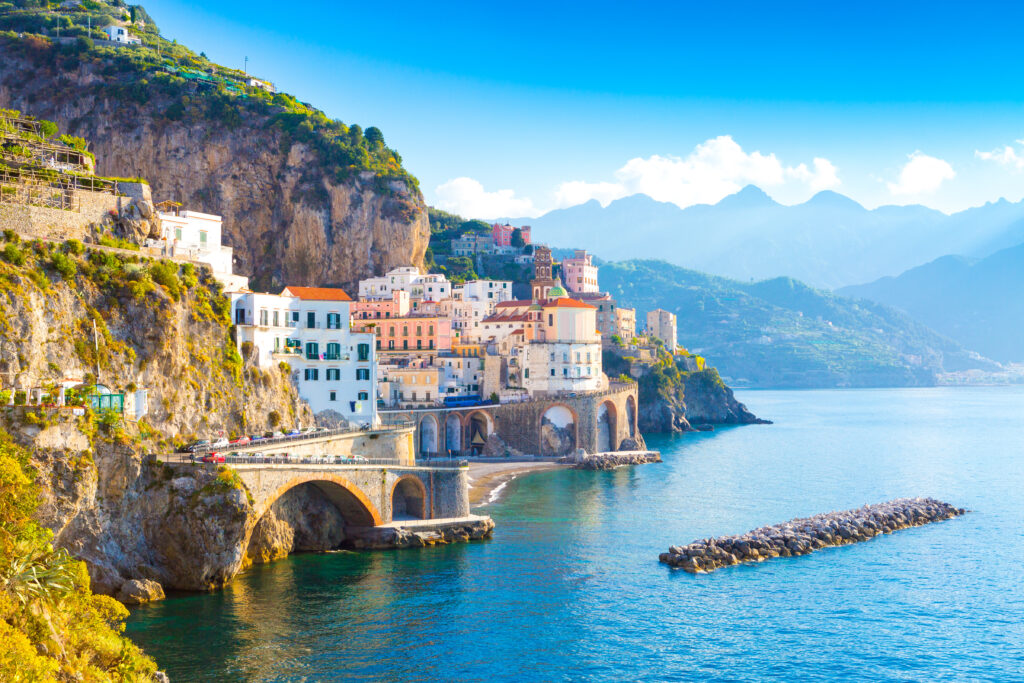
Italy’s coastline is nothing short of spectacular—imagine centuries-old fishing villages perched on cliffs, turquoise waters lapping at sun-kissed shores, and cobblestone streets leading to secret trattorias where the seafood tastes like it was caught moments ago. But when it comes to fully experiencing the Italian coast, the key is how you travel.
Large tour buses and rigid itineraries can’t compete with the magic of discovering Italy’s coasts through small group tours of Italy. With fewer people, personalized experiences, and expert local guides, small group tours allow you to explore Italy’s most breathtaking coastal gems at a relaxed, immersive pace.
If you’re dreaming of sea breezes, charming harbors, and authentic Italian culture, here are Italy’s top coastal destinations for small group tours.
1. The Amalfi Coast: Mediterranean Drama at Its Finest
Visiting Amalfi Coast is often at the top of every Italy bucket list—and for good reason. This UNESCO World Heritage site is famous for its dramatic cliffs, vibrant bougainvillea, pastel villages like Positano and Ravello, and the sparkling Tyrrhenian Sea.
But what makes the Amalfi Coast especially suited for small group tours? The region’s narrow, winding roads are often inaccessible to large buses, making smaller vehicles essential. Small groups can also enjoy more flexible itineraries, spontaneous stops at scenic viewpoints, and access to lesser-known treasures like the hilltop town of Scala or the lemon groves of Minori.
A guided boat ride to Capri, a private limoncello tasting, or a sunset aperitivo in Amalfi’s piazza are just some of the experiences that come to life when traveling with an intimate group.
2. Cinque Terre & The Italian Riviera: Timeless Beauty in Every Color
Cinque Terre—a string of five picturesque villages clinging to the Ligurian cliffs—is a postcard come to life. The towns of Monterosso, Vernazza, Corniglia, Manarola, and Riomaggiore are famous for their colorful buildings, terraced vineyards, and awe-inspiring sea views.
Small group tours unlock unique ways to experience this area. Hiking the famed coastal trails between the villages, hopping between towns by boat, or enjoying a local pesto-making class in the birthplace of this iconic sauce all feel more personal when shared with a close-knit group.
Add in a visit to the stylish town of Portofino or the charming Santa Margherita Ligure for a full taste of the Italian Riviera.
3. Puglia: The Undiscovered Coastal Gem of the South
Puglia is the “heel” of Italy’s boot—and it remains one of the country’s best-kept secrets. With fewer crowds and a more laid-back atmosphere, this region offers a more authentic and affordable coastal escape.
Small group tours in Puglia often include visits to whitewashed towns like Ostuni, coastal cities like Polignano a Mare (where houses cling to limestone cliffs), and the baroque beauty of Lecce. You’ll find a perfect balance of coastal charm and rich inland culture—think olive oil tastings, cooking classes in traditional masserie (farmhouses), and strolls through centuries-old towns.
Puglia’s coastline is dotted with crystal-clear beaches and hidden coves ideal for swimming, relaxing, or enjoying a seaside aperitivo at golden hour.
4. Sicily: A Coastal Mosaic of History, Culture, and Cuisine
Sicily is Italy’s largest island and arguably its most culturally diverse region. Greek temples, Roman amphitheaters, Arab-influenced markets, and Norman cathedrals coexist within a landscape of volcanic mountains and pristine beaches.
The island’s coastline offers everything from the glamorous beaches of Taormina to the rugged beauty of the Aeolian Islands. A small group tour in Sicily lets you dive into local traditions—perhaps a private visit to a family-run vineyard on Mount Etna, a seafood lunch in a quiet fishing village, or exploring the Baroque towns of the Val di Noto.
Traveling with a small group also means skipping the tourist traps in favor of authentic, slow-paced discoveries—ideal for soaking in the soul of this captivating island.
5. Tuscany’s Coastal Secrets: Beyond Vineyards and Rolling Hills
While Tuscany is often associated with inland countryside and Chianti vineyards, its coast is just as alluring. The Tuscan coastline boasts sandy beaches, forested hills, and historic port towns like Livorno and Piombino.
Small group tours that combine Tuscany with the coast often include visits to seaside gems like Castiglione della Pescaia, as well as the Etruscan ruins near Populonia. Some itineraries even pair Tuscany with Cinque Terre, offering a perfect blend of coast and countryside.
A group cooking class in a seaside villa or a wine tasting overlooking the Mediterranean makes for unforgettable coastal memories.
Why Choose a Small Group Tour?
Coastal destinations in Italy can be crowded, especially in high season. Traveling with a small group (typically 6–12 people) allows for a more intimate and flexible experience. There’s no waiting on big buses or sticking to rigid schedules. Instead, you can wander, taste, and discover at your own pace—with expert guidance and meaningful cultural interactions.
Small group tours also support local economies. Rather than spending your time in chain hotels or touristy restaurants, you’re more likely to stay in family-run accommodations, eat at local trattorias, and connect with artisan producers along the way.
Experience Italy’s Coast the Right Way with Nada’s Italy
If you’re looking for an expertly crafted small group tour that goes beyond the guidebooks, look no further than Nada’s Italy. Specializing in boutique travel experiences, Nada’s Italy offers hand-curated itineraries that focus on authentic connections, personalized service, and local charm.
Whether it’s their Tuscany & Cinque Terre Adventure, the Jewels of Amalfi Coast tour, or the Sizzling Sicily tour, Nada’s Italy ensures that every detail—from luxury accommodations to immersive cultural experiences—is handled with care and intention.
What sets Nada’s Italy apart?
- Intimate Groups: Tours are capped at 12 travelers, offering a relaxed and friendly dynamic.
- All-Inclusive Convenience: No hidden fees—just unforgettable experiences.
- Locally Sourced Experiences: From cooking with Italian grandmothers to sipping wine in family-owned vineyards, every moment is genuine and enriching.
- Stress-Free Travel: Their expert guides and concierge-level service mean you can focus on soaking up la dolce vita.
Whether it’s your first time to Italy or your fifth, there’s no better way to explore its stunning coasts than with a small group tour—and Nada’s Italy makes it an experience you’ll never forget.
Ready to see Italy’s coast through the eyes of a local?
Visit nadasitaly.com to discover their unforgettable small group tours and start planning your dream Italian getaway today.

Introduction
A passport is an essential travel document granting you access to worldwide countries. It serves as proof of your identity and citizenship and is necessary for international travel, visa applications, and sometimes even domestic identification. However, obtaining a passport varies significantly depending on where you live. Europe, Asia, America, and the Caribbeans have distinct passport application procedures, eligibility requirements, fees, and processing times.
In this 2025 guide, we will break down the passport application process for these regions, providing clear, step-by-step instructions. Whether you are a first-time applicant or looking to renew your passport, understanding regional differences will help you navigate the process smoothly. Let’s explore obtaining passports in Europe, Asia, America, and the Caribbean.
How to Obtain Passports in Europe
Eligibility Criteria
Passport eligibility in Europe is generally based on citizenship. Each country has its regulations regarding who qualifies for a passport. Typically, applicants must be citizens or nationals of the country. For example:
● United Kingdom: British citizens and eligible overseas territories citizens.
● Germany: German nationals registered with local authorities.
● France: French citizens registered in the civil registry.
Required Documents
Applicants usually need to prepare the following:
● Completed application form (available online or at passport offices).
● Proof of citizenship (birth certificate, national ID card, or naturalization certificate).
● Valid photo ID (driver’s license or national ID).
● Recent passport photos that meet country-specific requirements.
● Proof of residence or address.
● Applicable fees.
Application Process
● Online Applications: Many European countries, like France and Germany, allow online form submission and appointment booking.
● In-Person Visits: Applicants generally visit local passport offices, municipal buildings, or consulates to submit biometric data (fingerprints and photos).
● Payment: Fees are paid online or at the application centre during the appointment.
Fees and Processing Time
● Passport fees typically depending on the country and type of passport.
● Processing usually takes 2 to 3 weeks but can be expedited urgently.
Tips and Common Questions
● Renewals are often simpler and can sometimes be done by mail.
● Lost or stolen passports should be reported immediately to authorities.
● Always check the official government website for country-specific instructions.
How to Obtain Passports in Asia
Eligibility Criteria
Passport eligibility varies widely in Asia due to diverse citizenship laws. Countries like India, Japan, Chinese and South Korea require applicants to be citizens registered in the national registry.
Required Documents
Standard documents include:
● Completed passport application form.
● Proof of citizenship (birth certificate, national ID, or household registration).
● Valid government-issued photo ID.
● Passport photos that comply with country-specific standards.
● Proof of current address.
● Payment receipt for fees.
Application Process
● Many countries offer online portals for filling out applications and booking appointments (e.g., India’s Passport Seva portal).
● Applicants must often visit regional passport offices or authorized centres to collect biometric data.
● Some nations allow applications through embassies or consulates if abroad.
Fees and Processing Time
● Fees range between $10 and $100, depending on the country and passport type.
● Processing times vary from 1 week to 8 weeks.
Tips and Common Questions
● Dual citizenship is restricted or prohibited in some countries, which affects passport eligibility.
● Emergency or temporary passports are available in some regions for urgent travel.
● Track your application online where available.
How to Obtain Passports in America
Eligibility Criteria
In countries like the United States and Canada, applicants must be citizens to apply for a passport. For minors, parental consent and presence may be required.
Required Documents
● Completed application form (e.g., DS-11 for first-time U.S. applicants).
● Proof of citizenship, such as a birth certificate or naturalization certificate.
● Valid government-issued photo ID.
● Passport photos meeting official standards.
● Applicable fees.
Application Process
● First-time applicants generally apply in person at authorized facilities (post offices, government offices).
● Renewals can often be completed by mail if certain conditions are met.
● Expedited services are available for urgent travel.
Fees and Processing Time
● Standard fees in the U.S. are approximately $130 for a passport book.
● Processing usually takes 8 weeks; expedited processing reduces this to 2-3 weeks.
Tips and Common Questions
● Passport cards are available in the U.S. for limited travel to neighbouring countries.
● Minors have different requirements and shorter validity periods.
● Lost or stolen passports should be reported to the State Department promptly.
How to Obtain Passports in the Caribbeans
Eligibility Criteria
Citizenship is the main criterion for passport issuance in Caribbean nations such as Jamaica, Barbados, and Trinidad and Tobago.
Required Documents
● Completed application form.
● Proof of citizenship (birth certificate, national ID).
● Valid photo identification.
● Passport photos as per country requirements.
● Payment receipts.
Application Process
● Typically, it involves submitting applications in person at passport offices or government agencies.
● Some countries offer online applications or embassy/consulate services abroad.
● Biometric data collection may be mandatory.
Fees and Processing Time
● Fees typically range.
● Processing time is usually 2 to 6 weeks.
Tips and Common Questions
● Some Caribbean countries offer special travel documents for non-citizen residents.
● Passport validity is commonly 5 or 10 years.
● The renewal follows steps similar to those for the initial application.
Frequently Asked Questions (FAQs)
Q1: Can I apply for a passport online?
Many countries offer online applications or at least online form submission. However, biometric data collection often requires an in-person visit.
Q2: What is biometric data?
Biometric data includes fingerprints, photographs, and sometimes iris scans used to verify identity.
Q3: How long does it take to get a passport?
Processing times vary by country and service level, from a few days for expedited service to several weeks.
Q4: What should I do if my passport is lost or stolen?
Report immediately to local authorities and the passport issuing agency. Apply for replacement documents as soon as possible.
Q5: Can I renew my passport by mail?
Many countries allow mail-in renewals if your previous passport meets specific criteria.
Conclusion
A passport is essential for international travel, but the process varies across Europe, Asia, America, and the Caribbean. Understanding your region’s eligibility requirements, necessary documents, fees, and procedures can make your passport application straightforward and stress-free.
Use this 2025 guide as your roadmap to successfully obtaining or renewing your passport so you can confidently plan your travels. Safe journeys!


Alberta Car Transport Is Now Possible With Interlane
Many customers wonder “What would be the cost of transporting my car in Alberta?” and this is especially costly if...


100 Days Ago From Today: Your Complete Reflection Guide
Introduction Three and a half months. That’s how long 100 days ago from today represents a significant chunk of time...


How to Contact interface-design.net contact details: Complete Guide
Introduction Getting in touch with Interface-Design.net doesn’t have to be complicated. Whether you’re looking to collaborate, share feedback, or ask...


Colu Tex: The Complete Guide to This Emerging Technology
Introduction Have you heard whispers about Colu Tex but aren’t quite sure what it is or how it could benefit...


The Complete Braces Kit Guide: 5 Must-Have Items for Healthy Teeth
Introduction Getting braces marks the beginning of your journey to a straighter, healthier smile. But maintaining excellent oral hygiene during...


Days in the week in arabic: Your Complete Guide
Introduction Learning the days in the week in arabic represents one of the most practical starting points for anyone beginning...


Three Weeks From Today: Your Perfect Planning Sweet Spot
Introduction Three weeks from today might seem like an arbitrary timeframe, but it’s actually one of the most powerful planning...
-
 Travel3 years ago
NEW ZEALAND VISA FOR ISRAELI AND NORWEGIAN CITIZENS
-
 Technology3 years ago
Is Camegle Legit Or A Scam?
-
 Uncategorized3 years ago
AMERICAN VISA FOR NORWEGIAN AND JAPANESE CITIZENS
-
 Health3 years ago
Health Benefits Of Watermelon
-

 Home Improvement5 months ago
Artificial Grass Designs: Perfect Solutions for Urban Backyards
-
 Fashion2 years ago
Best Essentials Hoodies For Cold Weather
-
 Uncategorized3 years ago
How can I write a well-structured blog post?
-
 Technology1 year ago
Imagine a World Transformed by Technology and Innovation of 2023-1954