
Business
Should I trademark my upcoming business name?


A new business name can be one of the most important decisions you make. It’s a reflection of who you are and how you want to be seen in your community. But it’s also much more than that: Your business name is also an integral part of your brand identity, which means it can affect how people think about not just your company but also its products or services. So if you’re considering filing for a trademark application on your company’s name (or its logo), it’s important to consider whether or not this could affect future growth plans, as well as any potential legal issues that may arise down the road.
Can I trademark my business name?
A trademark is a word, phrase, symbol, or design, or a combination of words, phrases, symbols and/or designs used by a person to identify and distinguish his goods/services from those manufactured or provided by others.
You can trademark your business name if it is not already in use. The registration must be based on an existing mark that has been used in commerce before you apply for trademark registration.
The application must include:
- A completed application form (Form SS-4) filed with U.S. Patent & Trademark Office (USPTO). The filing fee for this form is $225; however there are several discounts available such as one time fees or “rapid track” fees depending on the type of filing being made. You can find more information here: https://www1-uspto-gov/forms/. Please note that this website may be difficult to navigate due to its outdated look/feel (it hasn’t changed since 1995!). If you have any questions about which discount(s) apply to your situation please contact [email protected]
When should I file a trademark application?
Trademarking your business name is an important step in the development of your brand. However, it’s not something you should rush into. It’s best to wait until you have a few important things in place:
- A logo design (this doesn’t necessarily have to be finalized yet)
- A website that showcases who you are and what your business does
- Products or services that people actually buy from you (or at least put on pre-order)
- A social media presence with followers willing to #shoutyourbrand
How do I determine if the name is available for trademark?
You can search the USPTO database to see if a name is available for trademarks. If you have an idea for a name that you think is unique, the first thing you should do is check whether it has already been registered by someone else. This can save you a lot of time and money later on if someone has already claimed your business name as theirs.
To check whether a particular word or phrase has been used as part of an existing trademark, go to uspto.gov/trademarks-application-process/searching-registering-trademarkdiscoverability/. There are several options in their search engine:
- Trademark Application Database
- Registered Trademarks Database
- Pending Trademarks Database
- Cancelled & Abandoned Trademarks Database (with images)
What other factors should I consider before selecting a business name?
- Is your business name easy to pronounce and spell?
This is a basic consideration for any business name, but it’s one that many people neglect. If you’re not sure how people will say or spell your business’ name, ask a few friends who aren’t from your country of origin and whose first language isn’t English (if you’re unsure). You can also hire a professional copywriter to help with this step.
- Is it distinctive?
Your company’s brand should be unique so that people can recognize it on the market without having seen or heard about it before—otherwise, there would be no point in choosing an original trademark! But don’t go overboard: if you end up making up words like “Fantastica” (which was actually used as a trademarked product) or misspell common ones like “Pa” (instead of “Co”) then there might be legal problems down the road
Do I want to use my mark in interstate commerce?
One of the most important factors to consider when determining whether or not you should trademark your business name is how far you plan to go with it. Do you want your mark to be used in interstate commerce? Or are you planning on keeping things local?
If the answer is yes, then congratulations! You’re probably going to need a federal trademark application. But if it’s no, then we definitely recommend looking into protecting your intellectual property through another means, like copyright law.
How do I know if my business name is already in use by another company – and that the name might infringe on an existing trademark?
When you’re considering how to trademark your business name, one of the first things you should do is check if that name is already in use by a different company. If so, then it might be too similar to their trademark and infringe on their rights.
So how do you know if your potential business name has already been taken? Fortunately, there are some quick ways to check this.
First, search the US Patent and Trademark Office (USPTO) website for yourself. The USPTO has a tool that allows you to search for existing trademarks by company or product name – which means that even if someone else owns the rights to “Petal Pusher Studio” as their logo or brand name, they might not own “Petal Pusher Studio” as a standalone product description (like what we use here). So don’t worry about being entirely original – just make sure no one else owns “Petal Pusher Studio” first!
Is there anything else I should consider about my business name before applying for a trademark?
- Check to see if the name is available. This can be done by searching the USPTO’s Trademark Electronic Search System (TESS).
- Check to see if the name is in use by another company. This can be done on TESS or through a U.S. trademark attorney, who will do a comprehensive search for you and help you file for registration of your mark with the USPTO.
- Make sure that no government agency has already claimed your business name as its own, since this could complicate your trademarking efforts or even prevent you from being able to register it at all—and it’s definitely not worth making enemies over something as trivial as this!
- Finally, check whether any non-profit organizations are using your desired business name; if they are and they’re currently registered with an active certificate of incorporation, then chances are good that they’ll object to any attempts at rebranding (and may even have first dibs on any trademarks associated with said rebranding).
If you are filing a trademark, make sure you check to see if the name is available beforehand.
If you apply for trademark, make sure you check to see if the name is available beforehand. You can do this through the USPTO website and also by contacting other organizations that offer similar services. If you find out that someone else has already registered your business name as part of their own business trademarks, it would be in your best interest to choose another one. Doing so will help prevent any future conflict between yourself and another person or company who owns rights over the same mark as yours.
Conclusion
If you’re looking to trademark your business name, it’s important to understand the various factors that can affect your ability to do so. If your name is not available for registration, or if another entity has a trademark on a similar mark, you may need to change your branding strategy or even rebrand entirely. It is also important to consider all of these issues before filing any application with the U.S. Patent and Trademark Office (USPTO), because once an application is submitted there is no going back!





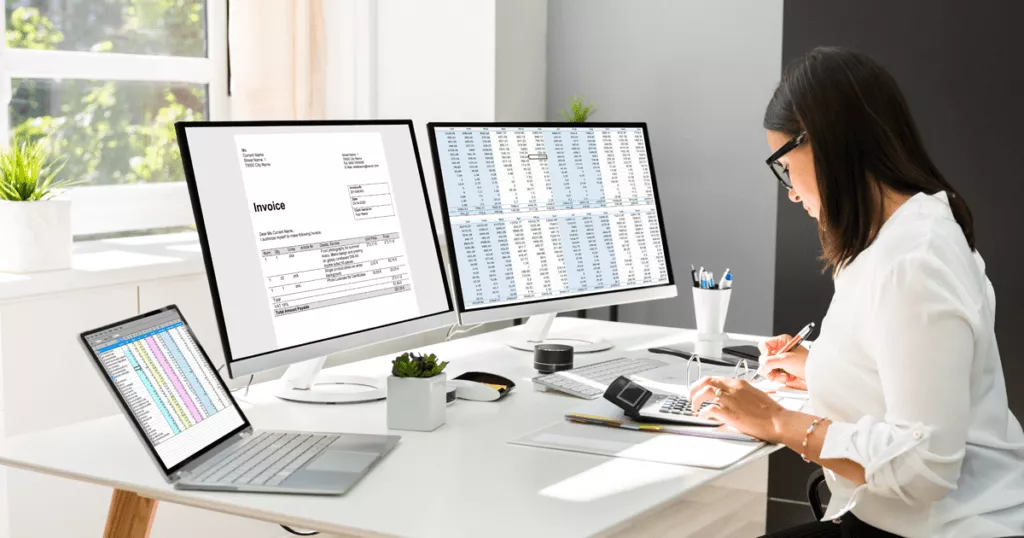
In today’s fast-paced business environment, efficiency and accuracy are paramount. As companies strive to streamline operations and reduce costs, automated bookkeeping system is gaining traction. These systems leverage technology to simplify financial management, offering a range of benefits that can significantly enhance the productivity of businesses, both large and small.
Understanding Automated Bookkeeping Systems
Automated bookkeeping systems are software solutions designed to handle a variety of financial tasks, such as tracking income and expenses, invoicing, payroll processing, and generating financial reports. By automating these processes, businesses can minimize human error, save time, and ensure compliance with financial regulations.
At the core of automated bookkeeping is the integration of artificial intelligence (AI) and machine learning technologies. These advancements allow the software to learn from historical data, improving its accuracy over time. Many systems can now even reconcile bank statements automatically, categorize transactions, and send reminders for overdue invoices.
Key Features of Automated Bookkeeping Systems
- Real-Time Data Entry and Reporting: Automated systems allow for real-time updates, ensuring that financial records are always current. This feature enables businesses to make informed decisions based on the latest data.
- Seamless Integration: Many bookkeeping software solutions can integrate with other business tools, such as customer relationship management (CRM) systems, e-commerce platforms, and payment processors. This interoperability allows for a more holistic view of the business’s financial health.
- Expense Tracking: Automated systems can track expenses through features like receipt scanning and expense categorization. This reduces the time spent on manual data entry and ensures that all expenditures are accounted for.
- Invoicing and Payments: Automated invoicing features can generate and send invoices automatically, reducing delays in payment collection. Some systems also offer options for clients to pay online, expediting cash flow.
- Tax Compliance: Automated bookkeeping solutions often come equipped with tools to assist in tax preparation, ensuring that businesses comply with tax regulations and take advantage of available deductions.
Benefits of Implementing Automated Bookkeeping Systems
1. Time Savings
One of the most significant advantages of automated bookkeeping is the time savings it offers. By reducing the time spent on manual data entry and reconciliation, businesses can redirect their focus toward growth and strategic planning.
2. Cost Efficiency
While there may be an initial investment in software, the long-term cost savings are substantial. Businesses can save on labor costs, reduce the likelihood of costly errors, and improve cash flow management. Additionally, the potential for improved tax compliance can prevent penalties and fines.
3. Enhanced Accuracy
Human error is a common issue in traditional bookkeeping. Automated systems minimize mistakes by standardizing data entry processes and using algorithms to check for discrepancies. This leads to more reliable financial data, which is crucial for decision-making.
4. Scalability
As businesses grow, their financial management needs become more complex. Automated bookkeeping systems are often scalable, allowing businesses to upgrade their features or expand their capabilities without a complete overhaul of their financial processes.
5. Improved Financial Insights
With the ability to generate real-time reports and analytics, automated bookkeeping systems provide valuable insights into a business’s financial performance. These insights can help identify trends, track profitability, and inform strategic decisions.
Challenges and Considerations
Despite the numerous advantages, businesses must also be mindful of potential challenges when adopting automated bookkeeping systems. These may include the initial learning curve, data security concerns, and the need for ongoing software updates.
Additionally, while automation can greatly enhance efficiency, businesses need to maintain a level of oversight. Regular audits and human review of financial data are still essential to ensure accuracy and compliance.
Conclusion
The shift toward automated bookkeeping systems is revolutionizing the way businesses manage their finances. By harnessing the power of technology, companies can achieve greater efficiency, accuracy, and insight into their financial operations. As the business landscape continues to evolve, investing in automated bookkeeping solutions is no longer just an option; it’s a necessity for those looking to stay competitive. Embracing this technology not only simplifies financial management but also paves the way for informed decision-making and sustained growth in an increasingly complex marketplace.

Introduction to the Dizipal 554
Welcome to the ultimate guide on the Dizipal 554, your go-to solution for all your needs! If you’re looking for a versatile and reliable tool to simplify your daily tasks, the Dizipal 554 is here to make a difference. Let’s dive into the history, features, uses, and more of this innovative product that is set to revolutionize how you approach your day-to-day activities.
History and Evolution of the Dizipal 554
The Dizipal 554 has a fascinating history that dates back to its inception in the early 2000s. Originally designed as a compact and versatile tool for professionals, it quickly gained popularity for its innovative features and reliability.
Over the years, the Dizipal 554 has evolved to meet the changing needs of users in various industries. From enhancements in performance to updates in technology, each iteration of the device has been meticulously crafted to ensure maximum efficiency and user satisfaction.
As advancements in design and functionality continue to shape the landscape of portable devices, the Dizipal 554 remains at the forefront of innovation. Its rich history and continuous evolution make it a trusted companion for individuals seeking quality, durability, and cutting-edge technology in one sleek package.
Features and Specifications
The Dizipal 554 is a versatile and innovative device packed with impressive features that cater to various needs.
Equipped with a high-definition display, the Dizipal 554 offers crystal-clear visuals for an enhanced user experience. Its sleek design and lightweight build make it portable and convenient to carry around.
With multiple connectivity options, such as Bluetooth and Wi-Fi, the Dizipal 554 ensures seamless integration with other devices for effortless data transfer. The powerful processor ensures smooth performance even when running multiple applications simultaneously.
Furthermore, the Dizipal 554’s long battery life guarantees uninterrupted usage throughout the day. Its expandable storage capacity allows users to store large amounts of data without worrying about running out of space.
The Dizipal 554 stands out for its cutting-edge features and specifications, making it a top choice for tech-savvy individuals looking for reliability and functionality in one device.
Benefits and Uses of the Dizipal 554
The Dizipal 554 offers a range of benefits and versatile uses that cater to various needs. One key advantage is its compact design, making it easy to carry around for on-the-go tasks. Whether you’re a student, professional, or traveller, the Dizipal 554 can be your reliable companion.
With its advanced features like multiple compartments and secure zippers, this organizer ensures optimal organization and protection for your belongings. From storing stationery items to keeping electronic gadgets safe, the Dizipal 554 excels in functionality.
Moreover, the Dizipal 554’s durable material enhances its longevity, providing long-lasting utility for daily use. Its stylish appearance also adds a touch of sophistication to your accessories collection.
The Dizipal 554’s benefits and uses make it a practical investment for anyone seeking convenience and style in their organizational essentials.
Comparison with Similar Products
When compared to similar products on the market, the Dizipal 554’s standout features truly set it apart. One key difference is its advanced technology, which ensures precise results every time. Unlike other models, the Dizipal 554 offers unparalleled accuracy and efficiency in its performance.
Moreover, when considering user feedback and reviews, the Dizipal 554 consistently receives high praise for its reliability and durability. Customers appreciate the product’s longevity and how it delivers exceptional results even after prolonged use.
Regarding design and ergonomics, the Dizipal 554 excels with its user-friendly interface and intuitive controls. It provides a seamless experience for both professionals and beginners alike, making it a top choice among consumers seeking quality and convenience in one package.
When compared to similar products in its category, the Dizipal 554 emerges as a clear frontrunner due to its superior performance, durability, and ease of use.
Customer Reviews and Satisfaction
Customer reviews and satisfaction play a crucial role in determining the success of any product, including the Dizipal 554. Many users have expressed their delight with the device, praising its efficiency and user-friendly interface. Some customers have highlighted how the Dizipal 554 has simplified their daily tasks and enhanced their productivity. Users appreciate the device’s high-quality construction, making it durable for long-term use.
Positive feedback regarding the excellent customer service provided by Dizipal has also been noted by many customers. The prompt assistance and support offered have left a lasting impression on users, further solidifying their satisfaction with the product. Customer reviews reflect high satisfaction with the Dizipal 554, making it a popular choice among individuals seeking an advanced organizational tool.
How to Use the Dizipal 554
Using the Dizipal 554 is straightforward and can enhance your daily routines. Start by familiarizing yourself with the device’s buttons and functions. To power it on, simply press the designated button until the screen lights up.
The user-friendly interface effortlessly navigates through different modes. You can customize settings such as brightness and volume to suit your preferences. The Dizipal 554 offers various features like alarms, timers, and a temperature display for added convenience.
To set an alarm, press the alarm button and adjust the time using the arrow keys. You can also utilize the device’s timer function by selecting the desired duration. The compact size makes it portable for travel or everyday use in different rooms of your home.
Explore all functionalities to fully maximize this versatile gadget in organizing your schedule effectively.
Maintenance and Care Tips
Maintenance and care tips for the Dizipal 554 are essential to ensure its longevity and optimal performance. To keep your device in top condition, it is recommended to regularly clean the exterior with a soft, dry cloth to remove dust and dirt buildup. Avoid using harsh chemicals or abrasive materials that could damage the device’s surface.
For proper maintenance, make sure to store the Dizipal 554 in a cool, dry place away from direct sunlight and extreme temperatures. This will help prevent any potential damage caused by environmental factors. Additionally, be gentle when handling the device to avoid accidental drops or impacts that could lead to malfunctions.
Regularly check the battery status of your Dizipal 554 and charge it as needed to maintain its functionality. Updating your device’s software when new versions are released is also advisable to ensure smooth operation and access to additional features. By following these simple maintenance tips, you can enjoy uninterrupted use of your Dizipal 554 for years to come.
Where to Purchase the Dizipal 554
Looking to get your hands on the versatile Dizipal 554? You can easily find this innovative product online and in stores at select retailers.
Online platforms like Amazon, eBay, and the official Dizipal website offer a convenient way to purchase the Dizipal 554 from the comfort of your home. These websites often provide detailed product descriptions and customer reviews to help you make an informed decision.
If you prefer to see the product in person before purchasing, check out electronic stores or speciality shops that carry tech gadgets. Don’t forget to inquire about any ongoing promotions or discounts that could save you some money on your Dizipal 554.
No matter where you choose to buy it, ensure that you purchase from authorized sellers to guarantee authenticity and quality. Happy shopping for your new favourite gadget!
Conclusion
The Dizipal 554 is a versatile and reliable tool that has made its mark in the market. With its innovative features, durability, and ease of use, it stands out as a top choice for professionals and DIY enthusiasts alike. Whether you need precision cutting or efficient crimping, the Dizipal 554 delivers on all fronts.

Imagine waking up to the gentle sound of waves crashing on the shore, stepping out onto a sunlit deck, and feeling the salty breeze on your face. This dream is a reality for those who choose to build or buy a beach house. Beach house plans offer more than just a place to live; they provide a lifestyle filled with relaxation, natural beauty, and a sense of escape from the hustle and bustle of everyday life. Let’s delve into the unique appeal of beach house plans and why they continue to captivate homeowners.
Embracing Coastal Living
Beach house plans designed by Monster House Plans are created to maximize the benefits of coastal living. From expansive windows that capture stunning ocean views to spacious decks that offer the perfect spot for outdoor dining and relaxation, these homes are all about embracing the beauty of the seaside. The layout of beach houses often includes open-concept living areas that allow for easy flow between indoor and outdoor spaces, creating a seamless connection with nature.
Natural Light and Airy Spaces
One of the most appealing aspects of beach house plans is the abundance of natural light. Large windows, sliding glass doors, and skylights are common features that flood the interior with sunlight, creating bright and inviting spaces. High ceilings and open floor plans further enhance the airy feel, making beach houses perfect for those who crave a light and spacious environment.
Outdoor Living
Beach house plans prioritize outdoor living, with features like wraparound porches, multi-level decks, and rooftop terraces. These outdoor spaces provide ample room for entertaining, relaxing, and enjoying the scenic surroundings. Whether it’s a morning coffee with a sunrise view, a barbecue with friends, or a quiet evening under the stars, the outdoor living areas of a beach house offer endless possibilities for enjoyment.
Casual and Comfortable Interiors
The interior design of beach houses often reflects the laid-back vibe of coastal living. Think comfortable, casual furnishings, natural materials like wood and stone, and a color palette inspired by the sea and sky. Beach house plans typically include cozy nooks, inviting living areas, and functional spaces that encourage relaxation and easy living. The emphasis is on creating a comfortable and welcoming atmosphere where family and friends can gather and unwind.
Proximity to Nature
Living in a beach house means being close to nature, with easy access to the sand, sea, and sky. Beach house plans often include features that enhance this connection, such as outdoor showers for rinsing off after a day at the beach, large windows that frame breathtaking views, and landscaping that blends seamlessly with the natural surroundings. This proximity to nature promotes a healthy and active lifestyle, encouraging outdoor activities like swimming, surfing, beachcombing, and more.
A Sense of Escape
For many, a beach house represents the ultimate escape from the stresses of everyday life. The tranquil sound of the ocean, the fresh sea air, and the slower pace of coastal living create a serene environment that allows for true relaxation. Beach house plans are designed to enhance this sense of escape with features that prioritize comfort, privacy, and a connection to the natural world.
Investment Potential
In addition to their lifestyle benefits, beach houses can also be a smart investment. Properties in desirable coastal locations often appreciate value over time, and beach houses can generate rental income when not used. This dual appeal of personal enjoyment and financial gain makes beach house plans attractive for many homeowners.
Timeless Appeal
The appeal of beach house plans is timeless. Whether it’s a charming cottage by the shore or a modern beachfront villa, the allure of living by the sea never fades. The design elements that define beach houses – from their emphasis on natural light and outdoor living to their casual and comfortable interiors – create a living space that feels both luxurious and relaxed.
Conclusion
Beach house plans offer a unique blend of natural beauty, relaxed living, and timeless appeal. They provide a lifestyle that prioritizes comfort, connection to nature, and a sense of escape, making them an ideal choice for those who dream of coastal living. Whether you’re looking for a vacation retreat or a permanent residence, a beach house plan can turn your seaside dreams into reality.
How WellHealthOrganic Home Remedies Tag Connect Mind, Body, and Environment
Analyzing the Action: Top Matches and Moments from WWE SmackDown Episode 1491
From Mohali to the UAE: How Ramneek Sidhu Built Digital Kings into a Premier Digital Marketing Agency
How WellHealthOrganic Home Remedies Tag Connect Mind, Body, and Environment
In this blog post, we’ll explore how simple yet profound practices can transform your well-being while fostering a deeper connection...
Analyzing the Action: Top Matches and Moments from WWE SmackDown Episode 1491
If you thought the squared circle was just a stage for scripted drama, think again! Episode 1491 of WWE SmackDown...
From Mohali to the UAE: How Ramneek Sidhu Built Digital Kings into a Premier Digital Marketing Agency
In today’s digital age, where online presence can make or break a brand, one name is making waves across continents:...
A Comparison of Invisalign and Its Leading Competitors
Are you dreaming of a confident smile but hesitant to embrace traditional metal braces? You’re not alone! The quest for...
Invisalign competitors and modern orthodontic treatments
Are you on a quest for the perfect smile but feeling overwhelmed by your options? With so many orthodontic treatments...


Unpacking the Nnevelpappermann Leaks: What You Need to Know About This Explosive Incident
In a world where secrets can shift the balance of power and information is currency, few events have sent shockwaves...


The Emergence of Luther Social Media Maven Keezy.co
Introduction to Luther Social Media Maven Keezy.co Are you ready to revolutionize your social media game? Look no further than...
-
 Travel2 years ago
NEW ZEALAND VISA FOR ISRAELI AND NORWEGIAN CITIZENS
-
 Uncategorized2 years ago
AMERICAN VISA FOR NORWEGIAN AND JAPANESE CITIZENS
-
 Health2 years ago
Health Benefits Of Watermelon
-
 Lifestyle1 year ago
These Easy, Affordable Improvements Can Completely Transform Your Home
-
 Technology1 month ago
Imagine a World Transformed by Technology and Innovation of 2023-1954
-
 Lifestyle2 months ago
The Role of Door-to-Door Apps in Voter Engagement
-
Home Improvement9 months ago
11 Amazing Insights into Home Decor Gifts – Elevate Your Gifting Game
-
 Business2 months ago
Metaphysical Stores Near Me